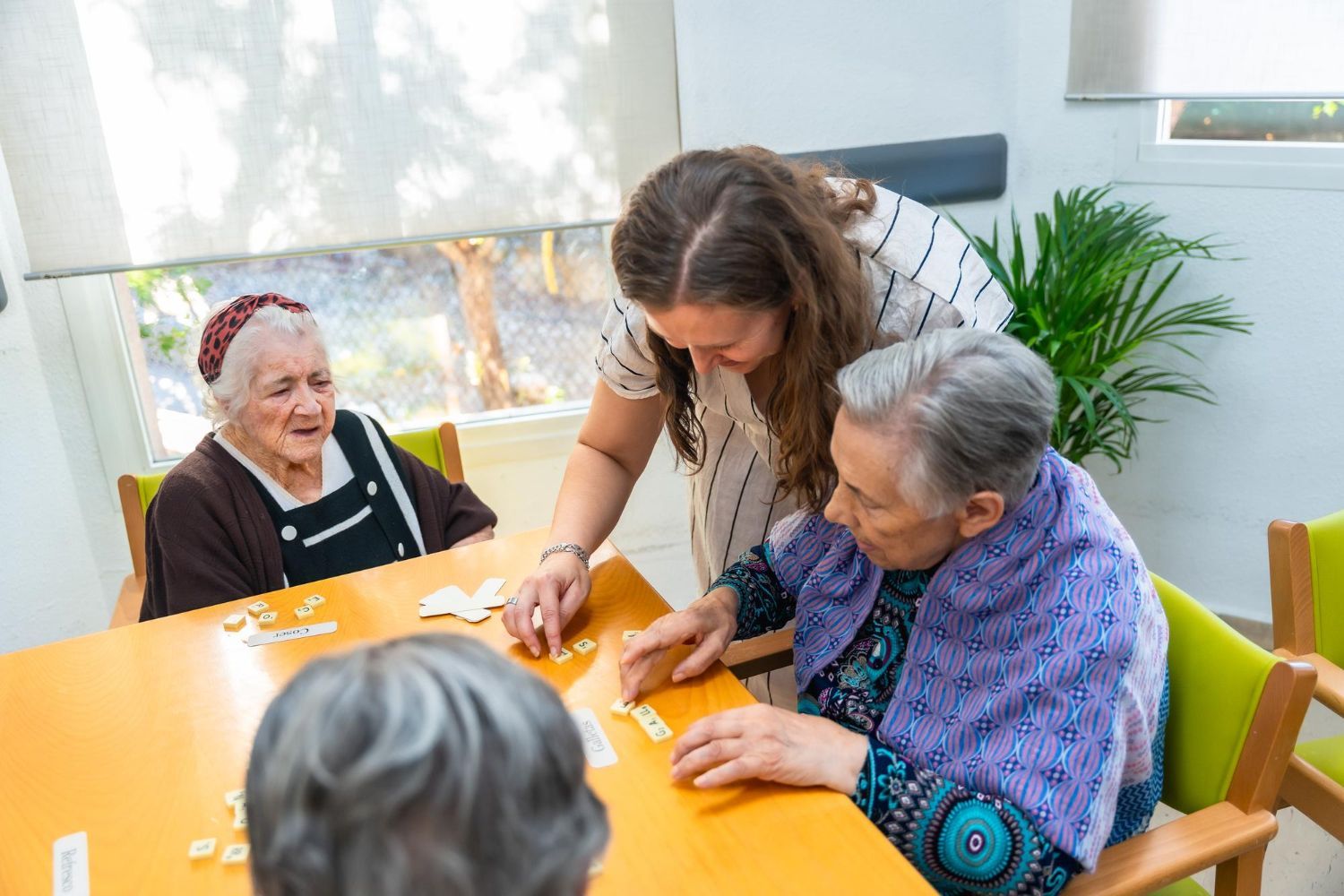
How to choose the right NDIS support provider for your loved one

Choosing an NDIS support provider is an important decision for participants and their families. The right provider can make everyday life easier by delivering reliable support, encouraging independence and helping participants work towards their personal goals.

With so many providers available, it can be difficult to know what to look for. Cost and availability are important, but they should not be the only factors considered.

The quality of the relationship between the participant, their family and their support provider can have a significant impact on the overall experience.

Understand the participant's individual needs

Every NDIS participant has different goals, preferences and support requirements.

Before choosing a provider, consider the type of support your loved one needs. This could include personal care, assistance with daily activities, community access, household support or help developing greater independence.

It is also important to consider how much support may be required now and whether those needs could change in the future.

A good provider should take the time to understand the individual rather than offering a one-size-fits-all approach.

Look for personalised support

Quality disability support should be built around the participant.

Ask potential providers how they develop support plans and how they make sure the participant's preferences are respected.

Personalised support can involve understanding a person's routine, interests, communication style, cultural preferences and goals.

When support is tailored to the individual, it can help participants feel more comfortable and confident in their daily lives.

Consider the experience of support workers

The people providing day-to-day care are an important part of the decision.

Ask about the provider's recruitment, screening and training processes. Depending on the participant's needs, you may also want to understand whether support workers have experience with particular disabilities, complex needs or specific types of personal care.

A reliable NDIS support provider should have processes in place to ensure workers are appropriately selected and prepared for their roles.

Just as importantly, the provider should try to create a good match between the participant and their support worker.

Communication matters

Good communication can make a significant difference to families and carers.

Before choosing a provider, find out how they communicate with participants and families. Consider whether there is a clear contact person and how concerns, changes or questions are handled.

Families should feel comfortable raising issues and asking for clarification when necessary.

Open communication can also help ensure that everyone involved understands the participant's support requirements and goals.

Ask about flexibility

A participant's needs and circumstances can change over time.

A support provider should be able to discuss how services can be adjusted when those needs change.

For example, a participant may eventually require different levels of assistance, additional community access or changes to their regular support arrangements.

Understanding how flexible a provider can be before starting services can help avoid difficulties later.

Think beyond immediate support needs

Choosing a provider is not only about finding someone who can help with today's requirements.

Consider what your loved one wants to achieve in the longer term.

Perhaps they want to become more independent, participate in their local community, develop new skills or maintain existing routines.

The right NDIS support provider should work with the participant to support these goals rather than simply completing a list of daily tasks.

Check how the provider handles concerns

It is reasonable to ask potential providers what happens if a participant or family member has a concern.

A professional provider should have clear processes for feedback, complaints and resolving issues.

You should feel confident that concerns will be listened to and addressed appropriately.

This is particularly important when support involves personal care or other areas where trust and communication are essential.

Choose a provider you can build a relationship with

NDIS support is often ongoing, which means the relationship with the provider matters.

The best choice is not necessarily the provider with the longest list of services. It is the provider that understands your loved one's needs, communicates clearly and delivers support with respect and consistency.

Take the time to ask questions, compare your options and involve the participant in the decision wherever possible.

The right support can make a difference

Finding the right NDIS provider can give participants greater confidence while providing families with reassurance that their loved one is receiving appropriate support.

At Tarrays, our approach is centred on providing compassionate, person-centred support that respects each participant's needs, preferences and goals.

Whether support is required for daily activities, personal care, community participation or greater independence, choosing a provider that puts the individual first is an important place to start.


dementia day care
September 9, 2026
Caring for someone living with dementia can involve many changes for the person and their family. As dementia progresses, familiar routines can become more difficult, social connections may reduce and family carers can find themselves taking on increasing responsibilities. Dementia day care can provide a structured and supportive environment where people living with dementia can participate in meaningful activities while giving family carers time to manage their own responsibilities. The right day care program is not simply about keeping someone occupied. It can support social connection, independence, routine and overall wellbeing. What is dementia day care? Dementia day care provides daytime support for people living with dementia in a safe and supportive environment. Depending on the service, activities may include social interaction, recreational activities, gentle exercise, creative pursuits and assistance with everyday routines. The aim is to provide an environment where people can remain engaged and connected while receiving appropriate support throughout the day. For families, it can also provide reassurance that their loved one is spending time in an environment designed around their needs. Why routine matters for people living with dementia Changes to memory and cognitive function can make everyday life more challenging. A familiar routine can help create a sense of stability and predictability. Regular attendance at a dementia day centre can provide structure to the day, with familiar activities and interactions becoming part of a person's routine. This consistency can be particularly valuable for someone who may become anxious or confused when their usual environment or routine changes. Encouraging independence Dementia does not mean that a person loses all ability to make decisions or participate in activities. Where appropriate, dementia day care can encourage people to remain involved in everyday activities rather than having everything done for them. Simple activities such as choosing an activity, helping with a task, participating in a group or preparing something can provide opportunities for independence. The level of assistance should be adapted to the person's abilities and changing needs. Social connection remains important Dementia can sometimes lead to social isolation. People may stop participating in activities they previously enjoyed or find it increasingly difficult to maintain social relationships. A supportive day care environment can create opportunities to interact with other people and participate in group activities. Conversation, shared interests and familiar social routines can all contribute to a greater sense of connection and belonging. Meaningful activities can support wellbeing Activities should be chosen based on the person's interests, abilities and preferences. This could include: Music and singing Arts and crafts Games and puzzles Gardening Gentle physical activities Cooking and food-related activities Reminiscence activities Social outings Group conversations The objective is not necessarily to teach something new or complete a particular task. Meaningful engagement can provide enjoyment, stimulation and a sense of purpose. Supporting family carers Dementia care can be demanding for family members, particularly when care responsibilities increase over time. Having access to daytime support can give family carers time to work, attend appointments, manage household responsibilities or simply take a break. This does not reduce the importance of the family relationship. In many cases, having additional support can make it easier for families to spend quality time together without every interaction being centred around care responsibilities. What should families look for in dementia day care? Choosing a dementia care service requires consideration of more than location and availability. Families may want to ask: Are staff experienced in dementia support? Is the environment safe and welcoming? Are activities adapted to individual abilities? How does the service respond to changing needs? How are families kept informed? Is the person's dignity and independence respected? Does the program provide meaningful social interaction? It is also important to involve the person living with dementia in the decision wherever possible. A service that feels comfortable, respectful and engaging is more likely to become a positive part of their routine. The right environment can make a difference Every person living with dementia has their own history, interests, abilities and preferences. Good dementia care recognises the person behind the diagnosis. At Tarrays, our approach is focused on providing compassionate, respectful support in an environment where people can remain connected, engaged and supported. For families considering dementia day care , the right service can provide more than daytime supervision. It can create opportunities for social connection, meaningful activities and independence while giving family carers valuable time and reassurance.
respite care
September 9, 2026
Caring for a loved one can be rewarding, but it can also be demanding. Family members and unpaid carers often manage daily routines, appointments, personal care and other responsibilities alongside their own work and family commitments. Over time, this can become physically and emotionally exhausting. This is where respite care can provide valuable support. Respite services give family carers an opportunity to take a break while their loved one continues to receive appropriate care and assistance. What is respite care? Respite care is temporary support provided to a person who usually receives care from a family member or unpaid carer. The purpose is not to replace the family carer permanently. Instead, it provides additional support when the usual carer needs time away from their caring responsibilities. Depending on the person's needs and circumstances, respite support may involve assistance with daily activities, personal care, community participation or other regular routines. For families, having access to reliable respite support can make caring responsibilities more manageable over the longer term. Why might a family need respite care? There is no single reason why someone may need respite support. A family carer may need a break because they are feeling physically tired, need to attend an appointment, have work commitments or simply need time to rest and recharge. Respite may also become useful when circumstances change unexpectedly. For example, a family carer may need support while recovering from an illness or injury, attending an important event or managing other responsibilities. Recognising the need for a break does not mean that a carer cares any less about their loved one. Taking time to rest can help carers continue providing support sustainably. Respite care can benefit the person receiving support too It is easy to think of respite care as being primarily for the family carer. However, it can also provide positive opportunities for the person receiving support. Spending time with a trained support worker can encourage greater independence and provide opportunities to participate in activities outside their usual routine. Depending on their interests and support plan, this could include: Going shopping Visiting friends or family Attending community activities Going for walks Participating in hobbies Practising everyday skills The experience can also help participants become comfortable with receiving support from people outside their immediate family. How respite care can support carers Caring responsibilities can sometimes become all-consuming. When a family member is constantly focused on another person's needs, their own wellbeing can easily be pushed into the background. Regular breaks can provide an opportunity to: Get enough rest Spend time with other family members Attend appointments Continue working Maintain social connections Pursue personal interests Simply have some time to themselves These breaks can help reduce the risk of carer burnout and make ongoing caring responsibilities more sustainable. Choosing the right respite care provider Finding a suitable provider is important because families need to feel confident that their loved one is receiving safe and respectful support while they are away. When considering respite care , ask potential providers about their support workers, experience and approach to personalised care. It is also worth discussing the person's specific needs, routines, communication preferences and interests. A good provider should take the time to understand the individual rather than treating respite as simply a temporary replacement for a family carer. Communication is key Before respite support begins, clear communication between the family, participant and provider can make the transition easier. Families should be able to explain important information about routines, preferences, support requirements and any concerns. The participant should also be involved in discussions wherever possible. Taking this approach helps create a more comfortable experience and gives support workers the information they need to provide appropriate assistance. Respite care should be part of a sustainable care approach Family carers play an important role in supporting people with disability and other care needs. But no one should feel that they have to manage everything alone. Accessing respite support when needed can help families maintain a healthier balance while ensuring their loved one continues to receive quality assistance. The key is to view respite care not as a sign that a family is struggling, but as one of the support options that can help caring arrangements work better for everyone. Support for families and carers At Tarrays, we understand that every person and family has different support requirements. Our approach is focused on providing respectful, person-centred care that supports individual needs, preferences and goals. If you or your family are considering respite support, having an open conversation about your needs can be a useful first step.
community participation
August 17, 2026
Why community connection matters as we age Growing older does not mean giving up the activities, relationships and interests that make life meaningful. Staying connected with family, friends and the wider community can play an important role in supporting emotional wellbeing, confidence and independence. For some older Australians, however, mobility challenges, health changes, retirement or reduced access to transport can make it more difficult to remain socially active. This is where community participation Australia services can make a meaningful difference. With the right support, older people can continue taking part in activities they enjoy, maintain important relationships and remain connected to their local communities. At Tarrays, we understand that quality aged care support should be about more than meeting physical needs. Supporting social connection and participation is also an important part of maintaining quality of life. What is community participation? Community participation involves supporting individuals to remain involved in activities and experiences outside the home. For older Australians, this may include: visiting local community centres attending social groups going shopping visiting friends and family attending appointments participating in hobbies visiting parks and gardens attending local events joining recreational activities The right activities will depend on each person's interests, abilities and preferences. Social connection can support wellbeing Loneliness and social isolation can affect people at any stage of life, but older people may become more vulnerable to isolation as their circumstances change. Regular social interaction provides opportunities for conversation, companionship and shared experiences. Access to social support for seniors can help older Australians: maintain friendships meet new people continue favourite activities develop confidence feel connected to their community Even simple activities such as having coffee with a friend or attending a local group can provide meaningful social interaction. Supporting independence through participation Community participation is also closely connected to independence. When older people continue taking part in everyday activities, they have opportunities to make decisions, solve problems and remain active. For example, going shopping can involve choosing what to buy, managing a budget and interacting with other people. Attending a community activity can involve planning transport, preparing for the outing and communicating with others. These everyday experiences can help maintain confidence and independence. Physical activity can make a difference Many community activities naturally encourage movement. Depending on an individual's abilities, this might include: walking in a park gardening visiting local shops attending gentle exercise classes participating in recreational activities Remaining physically active can support mobility and overall wellbeing. Activities should always be appropriate for the person's health, abilities and circumstances, with safety remaining a priority. Finding activities that are meaningful Community participation works best when activities are based on what the individual actually enjoys. One person may enjoy gardening, while another may prefer music, shopping, art, sport or spending time with friends. Understanding someone's interests and history helps carers identify elderly social activities that feel meaningful rather than simply filling time. This person-centred approach can make participation more enjoyable and encourage individuals to remain engaged. Transport can be a barrier Access to transport is one of the challenges that can prevent older Australians from participating in their communities. Some people may no longer drive, while others may find public transport difficult to navigate. Community support services can help overcome these barriers by providing assistance with transport and accompanying individuals to activities, appointments and social events where appropriate. This can make it easier for people to remain connected to the places and people that matter to them. Supporting families as well Community participation can also provide reassurance to family members. Families may want their loved ones to remain socially active but may not always have the time to accompany them to every activity or appointment. Professional support can provide an additional layer of assistance while allowing families to focus on spending quality time together rather than managing every practical aspect of an outing. Choosing the right support provider When looking for community participation or aged care support , families should consider whether the provider takes a personalised approach. Important factors include: experienced and compassionate carers flexible support arrangements reliable communication respect for individual preferences support for independence understanding of changing needs The right provider should focus on what the person wants to achieve rather than simply completing a list of tasks. How Tarrays supports community participation At Tarrays, we believe staying connected is an important part of living a fulfilling life. Our team works with individuals and families to understand personal interests, routines and goals before providing support. Whether someone wants to attend a social activity, visit friends, go shopping, participate in a hobby or remain involved in their local community, our support is designed around their individual needs. We aim to encourage independence while providing the reassurance and practical assistance that can make community participation possible. Building a more connected future As Australia's population ages, supporting older people to remain connected and independent will become increasingly important. Community participation provides opportunities for older Australians to continue enjoying meaningful experiences while maintaining relationships, confidence and a sense of belonging. With appropriate support, ageing does not have to mean becoming disconnected from the community. Conclusion Meaningful community participation Australia opportunities can help older Australians maintain social connections, independence and quality of life. From hobbies and social groups to shopping, appointments and community events, everyday activities can provide valuable opportunities for engagement. Tarrays provides personalised community support services and aged care support that help individuals remain active and connected to the people and places that matter to them. Through compassionate, flexible support, we help older Australians continue participating in their communities with confidence and dignity.
respite care
August 17, 2026
What is respite care? Caring for a loved one can be deeply rewarding, but it can also be physically and emotionally demanding. Family members often take on caring responsibilities alongside work, household commitments and their own personal needs. Over time, this can become difficult to manage without additional support. Respite care Australia provides temporary support for a person while their regular family carer takes a break. This may involve care at home, community-based support or other short-term arrangements depending on the individual's needs. Respite care is not a sign that a family is unable to cope. It is a practical way of making sure both the person receiving care and the person providing it have the support they need. When caring starts to feel overwhelming One of the clearest signs that a family may benefit from respite care is when caring responsibilities begin to feel overwhelming. A family carer may experience: ongoing tiredness difficulty finding time for themselves increased stress reduced sleep difficulty balancing work and caring feelings of frustration or emotional exhaustion These signs should not be ignored. Taking a break can give carers an opportunity to rest and return to their responsibilities with greater energy and confidence. When regular routines become difficult to manage Caring responsibilities can gradually increase. A loved one may begin needing more assistance with: personal care meal preparation household activities mobility appointments social activities supervision When these responsibilities begin taking up most of a family's time, respite care services can provide valuable additional support. Even a few hours of assistance each week can give family carers time to manage other responsibilities or simply recharge. When family carers need time for themselves Carers often put their own needs last. However, maintaining personal wellbeing is an important part of providing sustainable care. Respite care can provide time for a family carer to: attend appointments spend time with friends exercise manage household responsibilities continue working enjoy personal interests simply rest Taking time away from caring responsibilities does not mean caring any less. In many cases, regular breaks can help carers continue supporting their loved ones for longer. When a carer needs a holiday or extended break Short breaks can be helpful, but sometimes families need more time away from their caring responsibilities. Short term respite care can provide support while a family carer takes a holiday, attends an important event or manages personal commitments. Knowing that a loved one is receiving reliable care can make it easier for family members to take a genuine break without constantly worrying about their responsibilities at home. When a loved one's needs change Respite care can also become useful when a person's support needs change. For example, someone may require additional assistance following: an illness hospitalisation an injury changes in mobility changes in cognitive ability increased daily support requirements Temporary assistance can help families adjust while they understand what ongoing support may be required. Respite care can benefit the person receiving support too Respite care is not only about giving family carers a break. It can also provide valuable opportunities for the person receiving support to: socialise participate in activities meet new people remain active develop confidence maintain independence Professional carers can provide companionship and encourage participation in everyday activities based on the person's interests and abilities. Choosing the right respite care provider Families should consider several factors when looking for respite care services . Look for a provider that offers: experienced and compassionate carers personalised support flexible arrangements clear communication reliable service care tailored to individual needs It is also important that the person receiving support feels comfortable with the care arrangement. The right provider will take time to understand their routines, preferences and goals before support begins. How Tarrays supports families and carers At Tarrays, we understand that every family has different circumstances. Our respite care services are designed to provide flexible, personalised support while giving family carers the opportunity to rest and manage their own responsibilities. We take the time to understand each individual's needs and preferences so that support is delivered with dignity, respect and compassion. Whether a family needs occasional assistance, support during a holiday or additional help during a period of change, our team can provide a tailored approach. Our goal is to support both the person receiving care and the people who care for them. Making respite care part of a sustainable care plan Families do not need to wait until they feel completely overwhelmed before considering respite care. Introducing support earlier can help prevent carer exhaustion and create a more sustainable approach to long-term care. Regular breaks can give family carers time to recharge while allowing their loved ones to continue receiving consistent and meaningful support. Conclusion Understanding when to consider respite care Australia can help families make informed decisions before caring responsibilities become overwhelming. Whether a family needs occasional assistance, short term respite care or ongoing support, professional care can provide valuable relief while helping older people and people living with disability remain active, connected and supported. Tarrays provides personalised respite care services designed around the needs of individuals and their families. By supporting both clients and family carers , we help create a more sustainable approach to care that prioritises wellbeing, dignity and quality of life.
dementia-friendly activities
August 17, 2026
Why meaningful activities matter Living with dementia can affect memory, communication, confidence and the ability to manage everyday activities. However, a diagnosis does not mean a person should stop participating in the activities they enjoy. With the right dementia support Australia , people living with dementia can continue taking part in meaningful activities that support emotional wellbeing, social connection and a sense of independence. Dementia activities do not need to be complicated. Familiar and enjoyable experiences can often provide the greatest benefits. The key is choosing activities that reflect an individual's interests, abilities, personality and stage of dementia. At Tarrays, we believe meaningful engagement is an important part of person-centred dementia care . Our approach focuses on understanding the individual rather than defining them by their diagnosis. Choosing activities based on the individual There is no single list of activities that works for everyone. The best activities for people with dementia are those that connect with their existing interests and life experiences. For example, someone who previously enjoyed gardening may enjoy planting flowers or caring for indoor plants. Someone who loves music may enjoy listening to familiar songs or singing along. Other activities may include: cooking or baking looking through family photographs arts and crafts gentle exercise puzzles and simple games reading gardening listening to music community outings The goal is not necessarily to complete a task perfectly. It is to create an enjoyable and meaningful experience. Using familiar activities to create comfort Familiar activities can be particularly valuable for people living with dementia. Activities connected to someone's past may encourage positive memories and create opportunities for conversation. Family photographs, favourite music, familiar recipes or well-loved hobbies can provide opportunities for connection, even when other forms of communication become more difficult. This is one reason personalised dementia care is so important. Understanding a person's history allows carers to create activities that feel relevant rather than simply filling time. Encouraging independence through everyday activities Meaningful activities can also help people maintain a sense of independence. Rather than doing everything for someone, carers can encourage them to participate according to their individual abilities. For example, a person may be able to: choose ingredients for a meal water plants fold laundry arrange flowers select music help prepare a table These small opportunities for choice and participation can support confidence, dignity and independence. Using social activities to reduce isolation Dementia can sometimes lead to people withdrawing from social situations. This may happen because communication becomes more difficult or because individuals feel uncertain in unfamiliar environments. Well-planned social dementia activities can create opportunities to remain connected with other people. Group activities may include: music sessions arts and crafts gentle exercise shared meals community outings games and social groups The activity itself is important, but the opportunity to spend time with others can be just as valuable. Adapting activities as needs change A person's abilities and preferences may change as dementia progresses. Activities that were enjoyable previously may eventually become frustrating or difficult. Carers and families should therefore remain flexible and adjust activities according to changing needs. An activity can often be adapted by: simplifying instructions reducing the number of steps providing additional assistance choosing familiar materials allowing more time focusing on participation rather than the final result This helps keep activities enjoyable and reduces unnecessary pressure. The role of dementia support services Families often want to provide meaningful activities but may not have the time, resources or experience to manage everything themselves. Professional dementia support services can provide personalised assistance while giving families additional reassurance. Experienced carers can help identify activities that suit an individual's interests, abilities and routines while providing companionship and encouragement. This can make everyday support more meaningful for both the person receiving care and their family. How Tarrays supports meaningful engagement At Tarrays, we understand that effective dementia support Australia is about more than assisting with daily tasks. Our team focuses on understanding each individual's personality, preferences, history and goals so that support can be tailored to their needs. Through personalised support and meaningful activities, we help people living with dementia remain engaged, connected and involved in their daily lives. Our focus is on creating a supportive environment where every person is treated with dignity and encouraged to maintain their independence wherever possible. Conclusion Meaningful dementia activities can play an important role in supporting emotional wellbeing, confidence, social connection and independence. From music and gardening to familiar household activities and community participation, the most effective activities are those that reflect the individual. Quality dementia care should look beyond daily tasks and focus on the whole person. At Tarrays, our personalised dementia support services are designed to help individuals remain connected to the people, activities and experiences that matter to them. By providing compassionate, person-centred support, we help people living with dementia enjoy meaningful everyday experiences while giving families greater confidence and peace of mind.
dementia support Australia
July 16, 2026
Learn how personalised dementia support in Australia helps people maintain independence, confidence and quality of life through compassionate care.
Respite Care Australia
July 16, 2026
Learn how respite care in Australia supports family carers, improves wellbeing and ensures older Australians receive quality care when they need it most.
Social Support for Seniors
July 16, 2026
Discover how social support for seniors in Australia improves wellbeing, reduces isolation and helps older Australians maintain independence and quality of life.
 home care services
June 22, 2026
As the population ages, more seniors across Australia are choosing to remain in the comfort of their own homes rather than move into residential care facilities. This shift is driving the growing demand for in home care services, which provide the support needed to maintain independence while ensuring safety and wellbeing. In home care is no longer seen as a temporary solution. It has become a long term care model that allows individuals to continue living life on their own terms. Tarrays is committed to delivering in home care services that support independence, dignity and quality of life. Understanding in home care services In home care services are designed to provide personalised support within an individual’s home. These services can be tailored to meet a wide range of needs, from basic daily assistance to more complex care requirements. Support may include: personal care and hygiene meal preparation medication assistance companionship mobility support This flexibility ensures that care evolves alongside the individual’s needs. Care is delivered in a familiar and comfortable environment. Promoting independence and control One of the biggest advantages of in home care is the ability for seniors to maintain control over their daily lives. Unlike structured care settings, individuals can continue with their routines, preferences and lifestyle choices. This includes: choosing when to wake up and sleep deciding what to eat engaging in preferred activities Maintaining these choices helps preserve a sense of identity and independence. Control contributes to confidence and wellbeing. Enhancing emotional wellbeing Living at home provides a sense of comfort and familiarity that cannot always be replicated in other care settings. Being surrounded by personal belongings, memories and a known environment has a positive impact on emotional health. In home care also supports social interaction through companionship and regular engagement with carers. This reduces feelings of loneliness and isolation, which are common challenges among seniors. Emotional wellbeing is strengthened through familiarity and connection. Supporting physical health and safety In home care services are designed to support both independence and safety. Carers assist with daily tasks while also monitoring health and identifying potential risks. This may include: preventing falls ensuring proper medication use supporting mobility maintaining a clean and safe living environment Early identification of issues helps prevent complications and supports better health outcomes. Safety allows independence to continue. Personalised care tailored to individual needs Every individual has unique care requirements, which is why in home care services are highly personalised. Care plans are developed based on health conditions, preferences and goals. This personalised approach ensures that support is relevant and effective. As needs change over time, care plans can be adjusted to provide the right level of assistance. Flexibility is a key strength of in home care. Supporting families and caregivers In home care services also provide valuable support to families. Caring for a loved one can be demanding, and professional assistance helps reduce the pressure on family members. Carers can take on specific responsibilities, allowing families to focus on spending quality time together rather than managing care tasks. This balance improves the overall care experience for everyone involved. Support extends to the entire family. Delaying the need for residential care One of the most significant benefits of in home care is its ability to delay or even prevent the need for residential aged care. By providing the necessary support at home, individuals can continue living independently for longer. This not only benefits the individual but also reduces demand on aged care facilities. Remaining at home is often the preferred choice for many seniors. The role of professional carers Professional carers play a vital role in delivering in home care services. Their expertise, compassion and adaptability ensure that individuals receive high quality support. Carers build strong relationships with clients, understanding their preferences and providing care that goes beyond basic assistance. Trust and consistency are essential in this type of care. The Tarrays approach to in home care Tarrays focuses on delivering personalised in home care services that prioritise independence and dignity. By working closely with clients and their families, we create care plans that reflect individual needs and preferences. Our approach ensures that every client receives support that enhances their quality of life while allowing them to remain in the comfort of their home. We believe that independence should be supported, not limited. Conclusion In home care services are helping seniors live independently for longer by providing personalised support in a familiar environment. This approach enhances emotional wellbeing, promotes safety and allows individuals to maintain control over their lives. As aged care continues to evolve in Australia, in home care will remain a key solution for supporting independence and improving quality of life. Tarrays remains committed to delivering care that empowers individuals to live comfortably, confidently and independently in their own homes
disability care
June 22, 2026
Disability care across Australia is increasingly focused on improving long term outcomes rather than simply responding to immediate needs. One of the most important factors driving better results is early support. Providing the right assistance at the right time can significantly influence an individual’s independence, development and overall quality of life. Early support is not just about intervention. It is about creating a strong foundation that allows individuals to reach their full potential. Tarrays is committed to delivering personalised disability support that begins with understanding individual needs from the earliest stages. Understanding early support in disability care Early support refers to providing assistance as soon as a need is identified. This may occur during childhood, after a diagnosis or when changes in ability become evident. Rather than waiting for challenges to become more complex, early support focuses on addressing them proactively. This approach ensures that individuals receive guidance, therapy and care before limitations become barriers. Early action leads to stronger outcomes. Supporting development and independence One of the key benefits of early support is its impact on development. When individuals receive appropriate assistance early, they are more likely to build essential life skills. This may include: communication skills social interaction daily living abilities mobility and coordination Developing these skills early increases independence and reduces reliance on long term intensive support. Independence begins with the right foundation. Improving long term wellbeing Early support does not only affect immediate development. It has a lasting impact on overall wellbeing. Individuals who receive timely care are better equipped to manage challenges and adapt to different situations. This leads to: improved confidence stronger emotional resilience better engagement in education and community life Wellbeing is strengthened when individuals feel capable and supported. Reducing the need for complex interventions When support is delayed, challenges can become more difficult to manage. This often results in the need for more intensive and complex interventions later in life. Early support helps prevent this by addressing issues before they escalate. By providing the right assistance early, care plans can remain more manageable and effective. Prevention is more effective than reaction. Empowering families and caregivers Early support also plays a crucial role in supporting families. Caregivers often face uncertainty when navigating disability care, especially in the early stages. Providing guidance, education and resources helps families feel more confident in supporting their loved ones. When families are empowered, they can contribute more effectively to positive outcomes. Support extends beyond the individual. The role of personalised care plans Every individual has unique needs, which is why personalised care plans are essential in early support. These plans are developed based on assessments, goals and preferences. Personalised care ensures that support is relevant and aligned with the individual’s development. Tailored approaches lead to more meaningful progress. Encouraging participation in the community Early support helps individuals become more engaged in their communities. By developing social and communication skills early, individuals are more likely to participate in activities, education and employment opportunities. Inclusion is a key component of long term success. Active participation builds confidence and connection. The role of disability support providers Support providers play a critical role in delivering early intervention services. Their expertise ensures that individuals receive appropriate care and guidance from the beginning. Providers must work closely with families, healthcare professionals and communities to create a coordinated approach. Collaboration leads to better outcomes. The Tarrays approach to early support Tarrays focuses on delivering personalised disability support that prioritises early intervention. By understanding individual needs and working closely with families, we create care plans that support long term development and independence. Our approach is centred on empathy, adaptability and a commitment to improving quality of life. We believe that early support is the foundation for lasting success. Conclusion Early support is one of the most important factors in achieving positive disability care outcomes. By addressing needs early, individuals can develop essential skills, build confidence and lead more independent lives. As disability care continues to evolve in Australia, early intervention will remain a key focus for providers seeking to deliver meaningful and lasting impact. Tarrays remains dedicated to supporting individuals and families through timely, personalised care that creates opportunities for growth and independence.