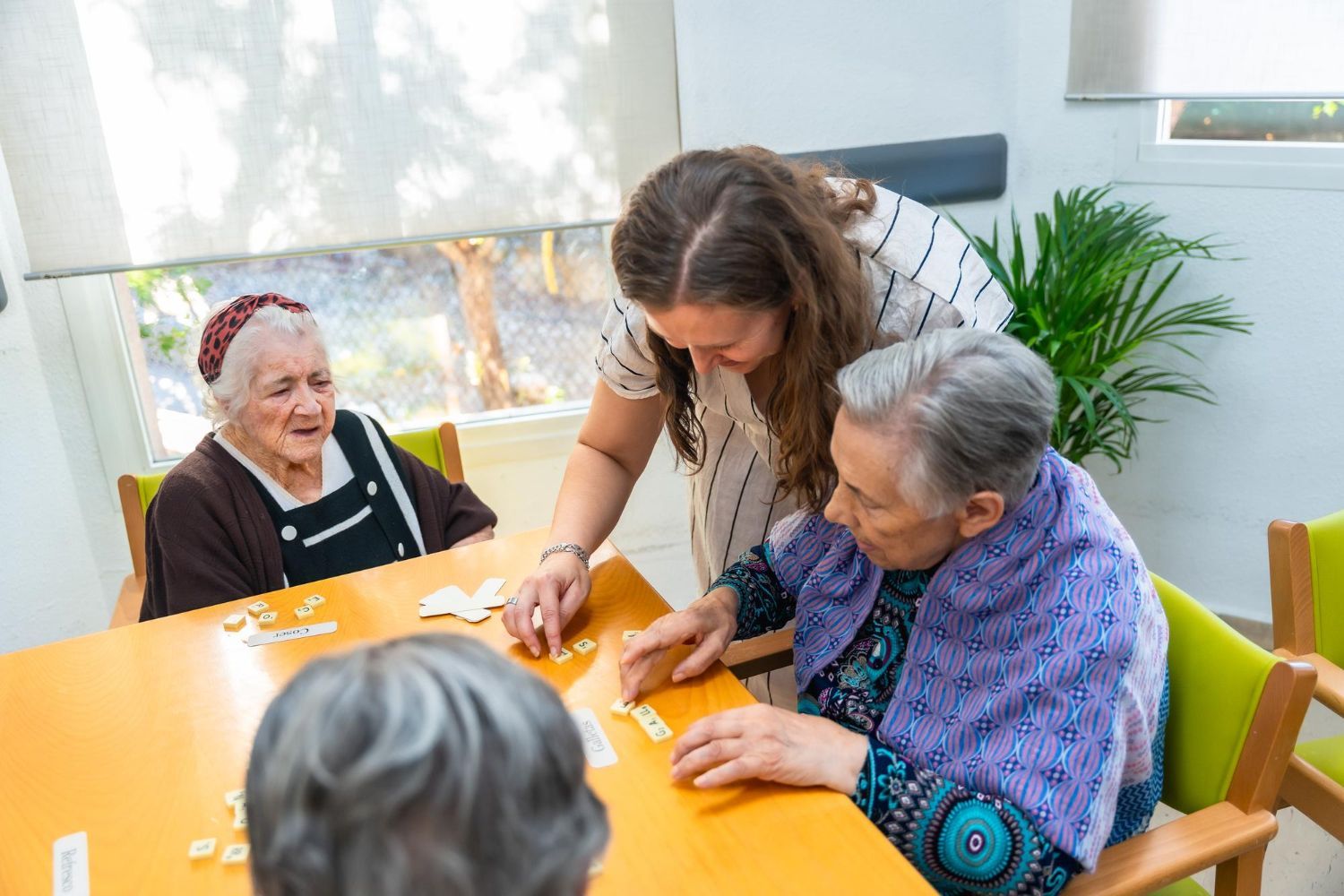
Understanding respite care: When families and carers may need extra support
Caring for a loved one can be rewarding, but it can also be demanding. Family members and unpaid carers often manage daily routines, appointments, personal care and other responsibilities alongside their own work and family commitments.
Over time, this can become physically and emotionally exhausting.
This is where respite care can provide valuable support. Respite services give family carers an opportunity to take a break while their loved one continues to receive appropriate care and assistance.
What is respite care?
Respite care is temporary support provided to a person who usually receives care from a family member or unpaid carer.
The purpose is not to replace the family carer permanently. Instead, it provides additional support when the usual carer needs time away from their caring responsibilities.
Depending on the person's needs and circumstances, respite support may involve assistance with daily activities, personal care, community participation or other regular routines.
For families, having access to reliable respite support can make caring responsibilities more manageable over the longer term.
Why might a family need respite care?
There is no single reason why someone may need respite support.
A family carer may need a break because they are feeling physically tired, need to attend an appointment, have work commitments or simply need time to rest and recharge.
Respite may also become useful when circumstances change unexpectedly.
For example, a family carer may need support while recovering from an illness or injury, attending an important event or managing other responsibilities.
Recognising the need for a break does not mean that a carer cares any less about their loved one. Taking time to rest can help carers continue providing support sustainably.
Respite care can benefit the person receiving support too
It is easy to think of respite care as being primarily for the family carer. However, it can also provide positive opportunities for the person receiving support.
Spending time with a trained support worker can encourage greater independence and provide opportunities to participate in activities outside their usual routine.
Depending on their interests and support plan, this could include:
- Going shopping
- Visiting friends or family
- Attending community activities
- Going for walks
- Participating in hobbies
- Practising everyday skills
The experience can also help participants become comfortable with receiving support from people outside their immediate family.
How respite care can support carers
Caring responsibilities can sometimes become all-consuming.
When a family member is constantly focused on another person's needs, their own wellbeing can easily be pushed into the background.
Regular breaks can provide an opportunity to:
- Get enough rest
- Spend time with other family members
- Attend appointments
- Continue working
- Maintain social connections
- Pursue personal interests
- Simply have some time to themselves
These breaks can help reduce the risk of carer burnout and make ongoing caring responsibilities more sustainable.
Choosing the right respite care provider
Finding a suitable provider is important because families need to feel confident that their loved one is receiving safe and respectful support while they are away.
When considering respite care, ask potential providers about their support workers, experience and approach to personalised care.
It is also worth discussing the person's specific needs, routines, communication preferences and interests.
A good provider should take the time to understand the individual rather than treating respite as simply a temporary replacement for a family carer.
Communication is key
Before respite support begins, clear communication between the family, participant and provider can make the transition easier.
Families should be able to explain important information about routines, preferences, support requirements and any concerns.
The participant should also be involved in discussions wherever possible.
Taking this approach helps create a more comfortable experience and gives support workers the information they need to provide appropriate assistance.
Respite care should be part of a sustainable care approach
Family carers play an important role in supporting people with disability and other care needs. But no one should feel that they have to manage everything alone.
Accessing respite support when needed can help families maintain a healthier balance while ensuring their loved one continues to receive quality assistance.
The key is to view respite care not as a sign that a family is struggling, but as one of the support options that can help caring arrangements work better for everyone.
Support for families and carers
At Tarrays, we understand that every person and family has different support requirements. Our approach is focused on providing respectful, person-centred care that supports individual needs, preferences and goals.
If you or your family are considering respite support, having an open conversation about your needs can be a useful first step.