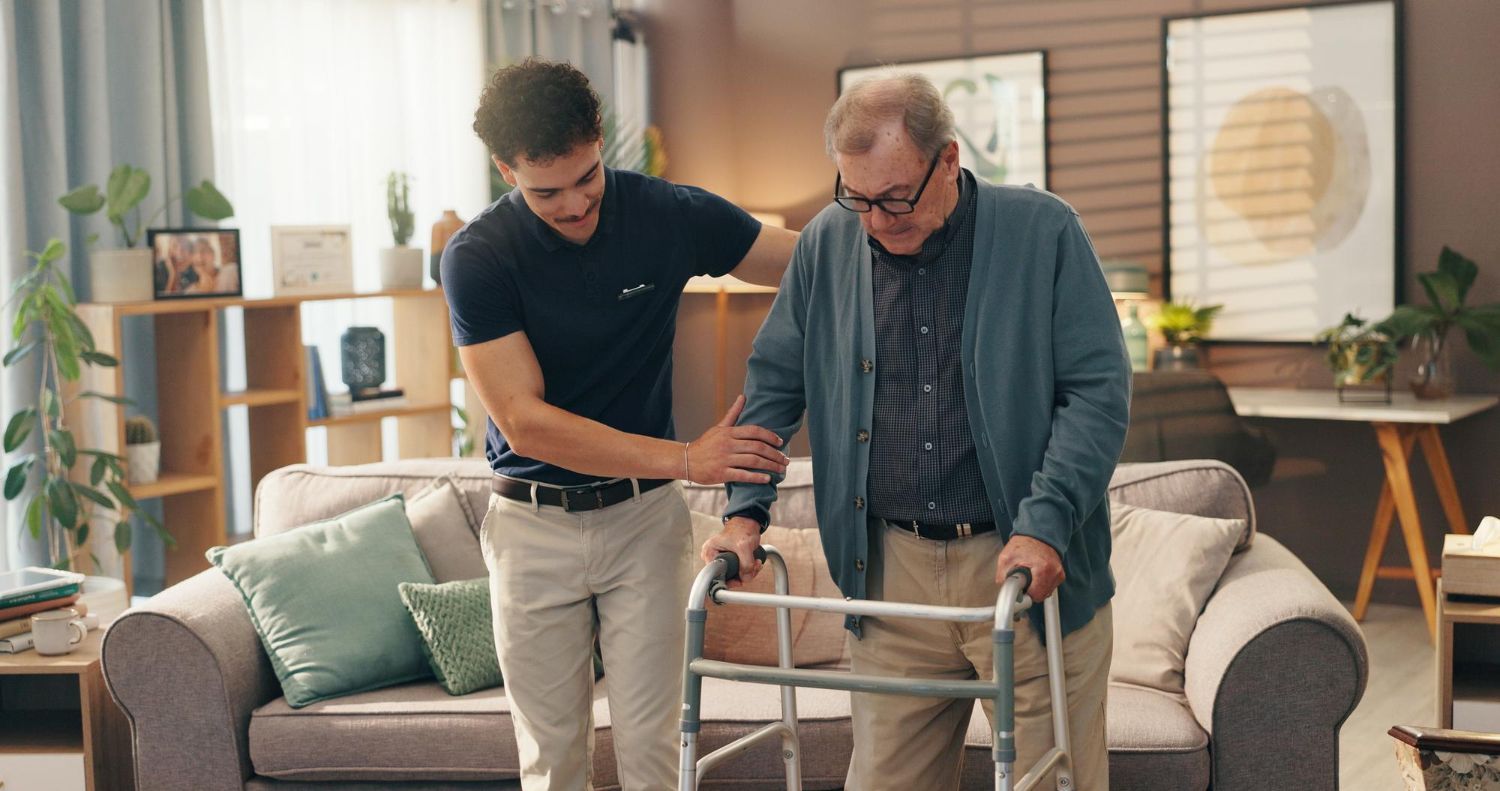

The Importance of Continuity of Care in Aged Care Facilities: Tarrays' Approach to Staffing Solutions

Continuity of care in aged care facilities is increasingly recognised as pivotal for enhancing healthcare resource utilisation and ensuring person-centered outcomes for older adults. Emphasising the importance of this, higher relational continuity with a primary care physician has been linked to reduced hospital admissions and fewer emergency department visits for aged care residents. This not only underscores the significance of Continuity of Care but also aligns with the World Health Organisation's framework for integrated, people-centered health services, highlighting a universal call for improvement.  


Tarrays' approach to Aged Care Staffing Solutions aims to address the challenges of maintaining quality care through consistent staffing practices. Their model focuses on fostering strong, ongoing relationships between general practitioners, aged care staff, residents, and their families, ensuring Tarrays Quality Care is at the forefront. This approach is designed not only to meet Aged Care Quality Standards but also to adapt to emergencies, ensuring uninterrupted and personalised care. By prioritising continuity and quality through innovative staffing solutions, Tarrays is charting a course for a future where aged care facilities can better meet the complex needs of their residents.


Understanding Continuity of Care


Understanding the concept of Continuity of Care (CoC) in aged care facilities is essential for grasping how it affects the quality of life and health outcomes for older individuals. CoC encompasses several key elements, each critical to its successful implementation:


Types of Continuity:


Relational Continuity: The ongoing relationship between healthcare professionals and the patient, often seen as the cornerstone of primary care.


Informational Continuity: Ensures that information about the patient's health history, preferences, and care plans are consistently shared and updated across all care providers.


Management Continuity: Coordination of care activities and services across different health care settings to ensure the patient's needs are met seamlessly.


Measurement of Continuity:


Assessing CoC involves evaluating the effectiveness of information exchange, the strength of care-provider relationships, and the coordination of care. These can be measured through qualitative and quantitative methods to capture the depth of the patient-provider relationship and the efficiency of care management.


Importance of Continuity:


CoC is crucial for smooth care coordination, respecting patient choices, avoiding unnecessary hospitalisations, and ensuring uninterrupted, needs-based care. High levels of CoC have been linked to positive patient experiences, greater satisfaction, increased adherence to treatment, and improved health outcomes. Conversely, discontinuity in care is associated with higher mortality risks among older individuals.  


By focusing on these elements, aged care facilities can enhance the Continuity of Care, ultimately leading to better health outcomes and satisfaction for elderly residents.


Tarrays' Approach to Continuity through Staffing


Tarrays Healthcare Staffing emerges as a pivotal player in enhancing Continuity of Care within aged care facilities across regional NSW, leveraging their extensive experience and commitment to quality care. Their approach is multifaceted, focusing on recruiting highly qualified healthcare professionals and ensuring that these individuals are well-integrated and aligned with the unique needs of aged care facilities. Here’s how Tarrays' methodology stands out:


Recruitment and Staffing Solutions:


Specialises in identifying and recruiting a broad spectrum of healthcare professionals, including registered nurses and certified nursing assistants, tailored to the nuanced requirements of aged care.


Offers flexible staffing arrangements, such as temporary, part-time, or per-diem staff, to accommodate the dynamic needs of facilities. 


Training and Regulatory Compliance:


Implements comprehensive training programs to keep staff abreast of the latest practices and regulations in aged care.


Ensures all staff meet the stringent regulatory requirements, reinforcing the standard of care provided.


Employee Engagement and Retention:


Develops proactive talent planning strategies and employee engagement programs aimed at enhancing job satisfaction and reducing turnover rates.


Works closely with facilities to streamline the onboarding process, ensuring seamless integration of new staff into existing operations.


Tarrays Healthcare Staffing's approach not only addresses the immediate staffing needs of aged care facilities but also contributes to a more stable and continuous care environment, ultimately benefiting residents through higher quality and more personalised care.


Impact of Staffing Solutions on Patient Outcomes


Staffing issues in aged care facilities, such as high turnover rates and shortages of qualified caregivers, can lead to frequent changes in care providers. This inconsistency affects the continuity of care, which is crucial for the well-being of residents. To combat this, employing consistent caregiver schedules where the same caregivers are assigned to clients as much as possible is beneficial. This strategy builds trust, promotes familiarity, and ensures personalised care.


Research highlights the complexities in understanding the direct impact of nurse staffing on patient outcomes. However, the National Quality Forum's establishment of nursing-sensitive measurement standards, including metrics such as pressure ulcer prevalence and falls, underscores the critical role of adequate staffing in patient care quality. Studies have shown that as nurse staffing levels increase, the length of stay and number of early readmissions decrease. Moreover, higher staffing levels and a greater proportion of nurses with bachelor’s degrees are associated with lower patient mortality.


Key outcomes impacted by nurse staffing include:


Pressure Ulcers and Infections: Improved staffing leads to fewer pressure ulcers and urinary tract infections.


Hospitalisations and Mortality: Adequate staffing reduces hospitalisations and mortality rates.


Medication Errors and Wound Infections: Lower professional nursing staff proportions increase the risk of medication errors and wound infections.


Resident Well-being: Increasing direct care hours reduces the use of medication for managing difficult behaviors, promoting independence and reducing emergency department transfers. 


These findings underscore the importance of strategic staffing solutions in enhancing patient outcomes in aged care facilities.


Personalising Care in Aged Facilities


Personalising care in aged facilities is a multi-faceted approach that significantly enhances the quality of life for elderly residents, especially those with complex needs such as dementia. Key strategies include:


Multidisciplinary Learning and Collaboration:


Encourages communication among care professionals to understand client needs comprehensively.


Facilitates the creation of comprehensive care plans that address individual goals and preferences.


Streamlined Communication via Technology:


Utilises real-time communication tools to enhance coordination among caregivers.


Ensures all parties are informed, reducing errors and misunderstandings.


Personalised care plans are central to this approach, tailored to the individual's needs, preferences, and lifestyle. This not only improves the quality of care but also enriches the client's life. Key elements include:


  Personalisation of Living Spaces:


Decorating bedrooms with personal items creates a sense of familiarity.


High-quality furnishings and assistive technology enhance independence and privacy. 


Incorporation of Advanced Technologies:


Real-time analytics and Electronic Health Records (EHRs) support personalised care delivery.


Artificial intelligence (AI) offers tailored treatment recommendations and predicts health issues.


Person-centred care, focusing on individual needs and preferences, is becoming a trend in aged care. This includes creating home-like environments, customised engagement activities, and flexible routines to promote independence and personal growth.


Overcoming Challenges to Continuity


Overcoming the challenges to ensure continuity of care in aged care facilities requires addressing several critical issues:


Fragmented Healthcare Systems


Issue: Limited communication between providers can lead to inconsistencies in care plans and treatment.


Solution: Implementing integrated care models that facilitate better communication and information sharing among care providers. This can be achieved through the use of shared electronic health records and regular interdisciplinary team meetings.


Financial Constraints


Issue: Budgetary limitations impact resource allocation and caregiver assignments, hindering the provision of consistent care.


Solution: Advocating for increased funding and resources dedicated to aged care. Additionally, optimising the use of existing resources through efficient staffing models and the adoption of technology can mitigate some financial pressures.


Cultural Shift


Issue: The need for a mindset change among care providers, administrators, and policymakers to prioritise continuity of care as fundamental to high-quality care delivery.


Solution:


Educating all stakeholders on the benefits of continuity of care.


Implementing care models that support continuity, such as assigning primary care teams to residents to foster stronger relationships.


Further Studies


Need: There is a need for further research to enhance relational continuity of primary care within aged care, particularly in residential settings. This could involve exploring innovative care delivery models and evaluating their impact on continuity of care.


By addressing these challenges through targeted strategies, aged care facilities can improve the continuity of care, enhancing the well-being and satisfaction of their residents.


Future Directions for Continuity in Aged Care


As the demand for aged care evolves, future directions in continuity of care are shaping up to be both technology-driven and person-centred. Here's a closer look at the emerging trends:


Technological Innovations:


Tunstall Healthcare is leading the way with remote monitoring, telehealth, and integrated care platforms, making it easier for aged care facilities to maintain continuity of care.


The adoption of AI, wearable devices, and smart home technology will become more prevalent, offering real-time health monitoring and enhancing the personalisation of care.


Virtual Reality technology is not just for entertainment; it's being used to improve cognitive function and mental well-being in seniors.


Home Care Advancements:


The growth in home care services, driven by the comfort, tailored care plans, and cost-effectiveness, highlights a shift towards more personalised care.


Virtual care is becoming a cornerstone of home care, with telehealth and medication management apps providing seniors with essential services from the comfort of their homes. 


Holistic and Proactive Care:


A holistic approach to health, considering physical, mental, and emotional well-being equally, is gaining traction.


Proactive and preventive care, utilising technology and data analytics, aims to anticipate health needs and intervene early, ensuring a higher quality of life for seniors.


These advancements signify a promising future for aged care, where technology and personalisation converge to enhance the continuity of care, making it more effective, accessible, and tailored to individual needs.


Throughout this article, we have explored the critical importance of Continuity of Care (CoC) in aged care facilities, underpinned by Tarrays' innovative staffing solutions. The discussion highlighted how relational, informational, and management continuity contribute significantly to improving the quality of life and health outcomes for the elderly. By prioritising these aspects through strategic staffing, training, and the adoption of technology, Tarrays is set to transform aged care facilities into havens of consistent, personalised care, thereby enhancing patient satisfaction and well-being.


Looking ahead, the integration of advanced technologies and person-centred approaches promises to further elevate the standards of care in aged facilities. As we continue to embrace these innovations, it is crucial to address the challenges and barriers to achieving seamless Continuity of Care. The future of aged care is poised on the edge of a revolution, with technology and tailored care models leading the charge towards a more integrated, holistic, and high-quality care paradigm. This journey, though complex, is essential for ensuring that the growing population of older adults receives the respectful, dignified, and comprehensive care they deserve.



emotional wellbeing
May 18, 2026
Aged care services often focus on physical health, but emotional wellbeing is equally important in supporting seniors’ quality of life. Across Australia, there is growing recognition that addressing emotional needs is essential for delivering holistic care. Tarrays is committed to providing services that support both the physical and emotional wellbeing of individuals. Understanding emotional wellbeing in aged care Emotional wellbeing includes feelings of happiness, security and connection. For seniors, changes in health, independence and social circumstances can affect emotional stability. Providing care that addresses these factors helps create more balanced and supportive environments. Emotional wellbeing is a key component of overall health. Recognising signs of emotional distress Care providers must be aware of signs that may indicate emotional distress, such as withdrawal, changes in behaviour or reduced engagement in activities. Early recognition allows carers to provide appropriate support and prevent further challenges. Awareness is essential for effective care. Creating supportive environments Aged care environments should promote comfort, familiarity and positive interactions. Simple factors such as respectful communication, engaging activities and a calm atmosphere contribute to emotional wellbeing. Creating supportive spaces helps individuals feel safe and valued. Environment influences emotional health. Encouraging meaningful engagement Participation in activities that bring enjoyment and purpose can improve emotional wellbeing. This may include hobbies, social interaction or creative pursuits. Encouraging engagement helps seniors remain active and connected. Purpose contributes to happiness. Supporting relationships and communication Maintaining relationships with family, friends and carers is essential for emotional wellbeing. Open communication helps individuals express their feelings and needs. Strong relationships provide reassurance and support. Connection is key to emotional health. The Tarrays approach to holistic care Tarrays integrates emotional wellbeing into all aspects of care. Our services focus on understanding individual needs and creating environments where clients feel supported and respected. By combining professional care with compassion, we aim to enhance overall wellbeing. Conclusion Emotional wellbeing is an essential aspect of aged care that should not be overlooked. By prioritising emotional support alongside physical care, providers can improve quality of life for seniors. Tarrays remains committed to delivering holistic care that supports both the emotional and physical needs of individuals
personalised disability support
May 18, 2026
Disability support services are most effective when they are tailored to the unique needs and goals of each individual. Across Australia, personalised support is becoming the standard for delivering meaningful outcomes within disability services. Tarrays believes that empowering individuals begins with understanding their preferences and providing support that aligns with their aspirations. Understanding personalised support Personalised disability support focuses on the individual rather than a standardised approach. It involves developing care plans that reflect personal goals, interests and daily routines. This approach ensures that support services are relevant and meaningful. Individualised care promotes dignity and independence. Encouraging independence through tailored care Independence is a key goal for many individuals receiving disability support. Personalised care allows individuals to participate in decisions about their daily lives. Support workers can encourage independence by assisting only where needed and promoting self confidence in completing tasks. Empowerment comes from having control over personal choices. Supporting participation in community life Being part of the community is an important aspect of wellbeing. Personalised support helps individuals engage in activities that interest them, whether social, educational or recreational. Encouraging community participation helps build confidence and a sense of belonging. Inclusion strengthens social connections. Building trust and meaningful relationships Personalised support also contributes to stronger relationships between individuals and carers. When support workers understand preferences and communication styles, trust develops naturally. This trust creates a supportive environment where individuals feel comfortable expressing their needs. Strong relationships enhance the quality of care. Adapting to changing needs Disability support needs can evolve over time. Personalised care plans allow services to be adjusted as circumstances change. This flexibility ensures that individuals continue to receive appropriate support. Responsive care improves long term outcomes. The Tarrays commitment to personalised care Tarrays focuses on delivering disability support services that reflect individual needs and aspirations. By working closely with clients and families, we create care plans that promote independence and wellbeing. Our approach is centred on respect, empathy and empowerment. Conclusion Personalised disability support empowers individuals to live independently and achieve their goals. By focusing on individual needs and preferences, care providers can deliver meaningful and effective services. Tarrays remains dedicated to supporting individuals through tailored care that enhances quality of life
seniors’ wellbeing in aged care
May 18, 2026
As people age, maintaining social connections becomes increasingly important for overall wellbeing. While physical health often receives significant attention, emotional and social wellbeing are equally vital. Across Australia, aged care providers are recognising that meaningful social interaction plays a key role in supporting seniors’ quality of life. Tarrays focuses on creating care environments that encourage connection, engagement and a sense of belonging. Understanding the impact of social isolation Many seniors experience reduced social interaction due to changes in mobility, health or living arrangements. Family members may live far away, and opportunities for regular interaction can become limited. Social isolation can affect emotional wellbeing and may lead to feelings of loneliness or disconnection. Over time, this can also influence physical health and cognitive function. Recognising the impact of isolation is the first step towards creating supportive care environments. The role of social connection in emotional wellbeing Regular interaction with others provides seniors with opportunities to share experiences, express emotions and feel valued. Conversations, group activities and shared experiences contribute to a sense of purpose. When seniors feel connected, they are more likely to maintain positive outlooks and engage actively in daily life. Emotional wellbeing is strengthened through meaningful relationships. Encouraging participation in group activities Group activities within aged care settings provide opportunities for seniors to interact with peers and build connections. Activities such as games, music sessions and creative projects encourage engagement and enjoyment. Participation in these activities helps seniors remain mentally active and socially involved. Shared experiences create a sense of community. Supporting family involvement Family relationships remain important throughout all stages of life. Encouraging regular visits and communication helps seniors maintain strong connections with loved ones. Care providers can support this by facilitating communication and creating welcoming environments for families. Family involvement enhances emotional support. The role of carers in fostering connection Carers play an important role in creating opportunities for social interaction. Simple actions such as engaging in conversation, encouraging participation in activities and recognising individual preferences can make a significant difference. Compassionate care helps seniors feel respected and valued. The Tarrays approach to social wellbeing Tarrays prioritises social connection as a key component of care. Our services are designed to encourage interaction, support engagement and create environments where seniors feel included. By focusing on both emotional and physical wellbeing, we aim to enhance overall quality of life. Conclusion Social connection is essential for maintaining wellbeing in aged care. By creating opportunities for interaction and supporting meaningful relationships, care providers can improve the quality of life for seniors. Tarrays remains committed to delivering care that promotes connection, dignity and a sense of belonging.
routine and structure in dementia care
April 21, 2026
Dementia can affect memory, communication and the ability to perform everyday tasks. As the condition progresses, individuals may experience confusion and anxiety, particularly when faced with unfamiliar situations. Establishing routine and structure is one of the most effective ways to support individuals living with dementia. Across Australia, care providers are recognising the value of consistent routines in improving quality of life. Tarrays provides dementia care services that focus on creating stable and supportive environments. Understanding the impact of dementia on daily life Dementia affects how individuals process information and respond to their surroundings. Changes in memory and cognition can make it difficult to follow new instructions or adapt to unfamiliar environments. Without structure, individuals may feel disoriented or distressed. Providing routine helps create a sense of stability and predictability. Creating familiarity through routine Consistent daily routines help individuals understand what to expect throughout the day. Activities such as meals, personal care and social interaction scheduled at regular times create familiarity. This structure reduces confusion and allows individuals to feel more comfortable in their environment. Familiar routines support emotional wellbeing. Reducing anxiety and agitation Uncertainty can increase anxiety for individuals living with dementia. When routines are predictable, individuals are less likely to feel overwhelmed. Calm and structured environments help reduce agitation and support a more relaxed state of mind. Stability contributes to a positive care experience. Supporting independence Routine also helps individuals maintain independence. When tasks are performed regularly, individuals may retain the ability to participate in daily activities for longer. Encouraging participation in familiar routines helps preserve confidence and dignity. Independence is an important aspect of care. The role of carers in maintaining structure Carers play a key role in establishing and maintaining routines. Their ability to provide consistent support and gentle guidance helps individuals feel secure. Understanding individual preferences and adapting routines accordingly ensures that care remains personalised. Compassionate care strengthens routine effectiveness. The Tarrays approach to dementia care Tarrays focuses on creating supportive environments where individuals living with dementia can thrive. By emphasising routine, familiarity and personalised care, we help clients maintain comfort and dignity. Our approach ensures that care is both structured and flexible to meet individual needs. Conclusion Routine and structure are essential elements of effective dementia care. By providing predictable environments and consistent support, care providers can improve the wellbeing of individuals living with dementia. Tarrays remains committed to delivering compassionate care that prioritises stability, dignity and quality of life.
home care services help individuals
April 21, 2026
For many individuals, home represents comfort, familiarity and a sense of belonging. As people age or require additional support due to disability, remaining at home can significantly improve their quality of life. Across Australia, in home care services are becoming an increasingly preferred option for individuals who wish to maintain independence while receiving necessary support. Tarrays provides in home care services that empower individuals to live safely and confidently within their own environments. Understanding the benefits of in home care In home care allows individuals to receive assistance without leaving their familiar surroundings. This continuity helps maintain routines and provides emotional comfort. Services can be tailored to individual needs, ranging from occasional assistance to more comprehensive daily support. Personalised care ensures that individuals receive the right level of support. Supporting daily living activities In home carers assist with a variety of daily tasks, including personal care, meal preparation and mobility support. These services help individuals manage their routines while maintaining independence. By providing assistance where needed, carers enable individuals to continue participating in activities they enjoy. Support enhances both confidence and comfort. Promoting emotional wellbeing Remaining at home allows individuals to stay connected to their communities, neighbours and personal memories. This familiarity contributes to emotional stability and overall wellbeing. Carers also provide companionship, helping to reduce feelings of isolation and loneliness. Emotional support is an important aspect of care. Encouraging active lifestyles In home care services often include support for activities that promote physical and mental health. Gentle exercise, hobbies and social engagement help individuals remain active and engaged. Encouraging participation in these activities contributes to a more fulfilling lifestyle. Active individuals often experience better overall health. Supporting families and caregivers Family members who provide care may experience physical and emotional strain. In home care services offer support that allows families to share responsibilities. This balance helps maintain healthier relationships and ensures that individuals receive consistent care. Support for families is an important part of the care process. The Tarrays approach to in home care Tarrays focuses on delivering personalised in home care services that respect individual preferences and promote independence. Our carers provide compassionate support while encouraging clients to maintain control over their daily lives. We aim to create environments where individuals feel safe, valued and empowered. Conclusion In home care services play a vital role in helping individuals maintain independence and quality of life. By providing personalised support within familiar environments, these services contribute to both physical and emotional wellbeing. Tarrays remains committed to delivering care that enhances independence and supports meaningful living.
aged care and disability services
April 21, 2026
Planning ahead is one of the most effective ways to ensure that individuals receive the care and support they need as their circumstances change. Whether it relates to ageing or living with a disability, early planning allows individuals and families to make informed decisions rather than reacting during times of stress. Across Australia, more families are recognising the value of proactive care planning. Tarrays supports individuals and families by providing guidance and services that align with long term wellbeing and independence. Understanding the importance of early planning Many people delay planning for aged care or disability support until it becomes necessary. However, waiting until challenges arise can limit available options and create unnecessary pressure. Early planning allows individuals to explore services, understand available support and make decisions that reflect their preferences. This approach ensures that care arrangements are tailored rather than rushed. Supporting independence and choice One of the key benefits of early planning is the ability to maintain control over personal decisions. Individuals can express their preferences regarding daily routines, living arrangements and types of support. By planning ahead, individuals can choose services that align with their lifestyle and values. Maintaining independence is an important aspect of wellbeing. Reducing stress for families Families often play a central role in supporting loved ones. When care decisions need to be made quickly, the process can feel overwhelming. Early planning provides clarity and direction, allowing families to prepare for future needs with confidence. This reduces stress and helps ensure that everyone involved understands the available options. Creating flexible support plans Care needs can change over time. Early planning allows individuals to create flexible support plans that can be adjusted as circumstances evolve. Whether increasing the level of assistance or introducing new services, a planned approach makes transitions smoother. Flexibility ensures that support remains relevant. Encouraging open communication Planning for care often involves important conversations between individuals, families and care providers. These discussions help ensure that everyone understands expectations and preferences. Open communication strengthens relationships and supports better decision making. The Tarrays approach to planning support Tarrays works with clients to understand their needs and provide personalised care solutions. By focusing on early planning, we help individuals and families create support structures that promote independence and wellbeing. Our goal is to ensure that care remains respectful, adaptable and aligned with individual goals. Conclusion Early support planning plays a crucial role in aged care and disability services. By preparing in advance, individuals and families can make informed decisions that enhance quality of life. Tarrays remains committed to supporting proactive care planning that prioritises dignity, independence and long term wellbeing.
professional carers
March 23, 2026
As people age, maintaining independence and wellbeing becomes increasingly important. Professional carers provide valuable support that allows older Australians to continue living comfortably while receiving the assistance they need. Across Australia, in home care services are becoming a preferred option for individuals who wish to remain connected to familiar environments and communities. Tarrays supports older Australians by providing compassionate carers who prioritise dignity and respect. Understanding the role of professional carers Professional carers assist with daily activities such as mobility support, meal preparation, medication reminders and companionship. Their role extends beyond physical assistance to include emotional support and encouragement. By helping individuals manage everyday routines, carers enable older Australians to maintain independence while receiving necessary assistance. Supportive relationships contribute to overall wellbeing. Enhancing emotional wellbeing Loneliness can affect many older adults, particularly those who live alone or have limited social interaction. Professional carers provide companionship that helps reduce feelings of isolation. Regular conversations, shared activities and supportive interactions create meaningful connections. Emotional wellbeing is an essential component of healthy ageing. Supporting independence at home Many older Australians prefer to remain in their own homes rather than move into residential care. In home support services allow individuals to maintain familiar routines and surroundings. Carers help with tasks that may become more difficult with age while encouraging independence wherever possible. Remaining at home can significantly improve comfort and confidence. Promoting safety and peace of mind Safety is a key concern for both older adults and their families. Professional carers help monitor wellbeing, identify potential risks and ensure that daily routines remain safe. Families gain reassurance knowing that their loved ones are receiving attentive support from trained professionals. Peace of mind benefits both clients and caregivers. Encouraging active lifestyles Professional carers often encourage participation in gentle exercise, hobbies and community activities. Staying active helps maintain physical health and mental engagement. Encouraging meaningful activities contributes to a more fulfilling daily life. Active lifestyles support healthy ageing. The Tarrays difference Tarrays provides carers who approach their work with compassion and professionalism. By understanding individual preferences and goals, our team ensures that support remains respectful and empowering. Our commitment to quality care helps older Australians live with dignity and independence. Conclusion Professional carers play a vital role in improving quality of life for older Australians. Through companionship, practical support and encouragement, they help individuals maintain independence and wellbeing. Tarrays remains dedicated to providing compassionate in home care services that support healthy and fulfilling ageing.
personalised care
March 23, 2026
Every individual receiving care has unique experiences, preferences and goals. Personalised care recognises these differences and ensures that support services reflect the needs of each person rather than following a standardised approach. Across Australia, aged care and disability providers are increasingly embracing personalised care models to deliver more meaningful support. Tarrays believes that personalised care strengthens independence and improves the overall quality of life for individuals receiving support. Understanding personalised care Personalised care focuses on the individual rather than the service. It involves listening to personal preferences, understanding cultural backgrounds and recognising life experiences that shape each person’s identity. Care plans developed through personalised approaches allow individuals to maintain control over decisions affecting their daily lives. This collaborative process ensures that services remain relevant and respectful. Personalised care supports dignity and autonomy. Enhancing independence through tailored support Individuals receiving aged care or disability services often wish to maintain as much independence as possible. Personalised support encourages participation in activities that align with personal interests and capabilities. Whether assisting with daily routines, encouraging hobbies or supporting community engagement, tailored care helps individuals remain active and confident. Independence contributes to both emotional and physical wellbeing. Building trust between carers and clients Strong relationships are central to effective care. When carers take the time to understand personal preferences and communication styles, trust develops naturally. Clients feel more comfortable expressing their needs when they know they are being listened to. This trust encourages open communication and strengthens the care experience. Respectful relationships enhance the quality of support. Supporting cultural and social identity Personalised care also acknowledges the importance of cultural and social identity. Food preferences, traditions and language can all influence how individuals experience care. By respecting these factors, carers help create environments where clients feel understood and valued. Inclusive care promotes a sense of belonging. Encouraging collaboration with families Families often play a key role in supporting individuals receiving care. Personalised care plans encourage collaboration between carers, clients and family members. This shared approach helps ensure that care remains consistent and responsive to changing needs. Partnership strengthens support networks. Tarrays’ approach to personalised care Tarrays focuses on delivering support that reflects each person’s goals and preferences. Our carers work closely with clients and families to understand what matters most and provide assistance that respects individuality. Through empathy and professionalism, Tarrays aims to enrich lives while promoting dignity and independence. Conclusion Personalised care is essential for creating meaningful aged care and disability support services. By focusing on individual needs and preferences, providers can help clients maintain independence and confidence. Tarrays remains committed to delivering compassionate and personalised support that enhances quality of life.
day programs
March 23, 2026
Caring for individuals living with dementia requires thoughtful planning, patience and the right environment. While many people prefer to remain in their own homes for as long as possible, structured day programs can play an important role in supporting their wellbeing. Across Australia, families and care providers are increasingly recognising the value of day based support services that provide social engagement, cognitive stimulation and respite for caregivers. Tarrays believes that well designed day programs create meaningful opportunities for individuals living with dementia to maintain independence and connection. Understanding the impact of dementia on daily life Dementia affects memory, communication and the ability to perform everyday tasks. As the condition progresses, individuals may experience confusion, anxiety or withdrawal from social interactions. Without structured activities, individuals may feel isolated or disengaged. This can affect both emotional wellbeing and cognitive functioning. Creating supportive environments where individuals can participate in meaningful activities helps maintain confidence and routine. Structured day programs provide the stability that many people living with dementia benefit from. Encouraging social interaction and connection One of the greatest benefits of day programs is the opportunity for social engagement. Many individuals living with dementia experience loneliness, particularly when they spend most of their time at home. Group activities such as music sessions, gentle exercise and creative projects encourage interaction with others. These experiences help participants maintain relationships and build a sense of belonging. Social connection plays an important role in emotional wellbeing. Providing cognitive stimulation Engaging the mind through structured activities can help maintain cognitive function for longer periods. Activities designed for individuals with dementia often focus on memory recall, sensory engagement and problem solving. Examples include storytelling sessions, art therapy and games that encourage gentle mental exercise. These activities are not intended to challenge participants but to stimulate curiosity and enjoyment. Cognitive stimulation helps individuals remain mentally active. Supporting caregivers through respite Family members who care for loved ones with dementia often carry significant responsibility. Day programs provide valuable respite, allowing caregivers time to rest, manage personal responsibilities or attend to work commitments. Knowing that their loved one is in a safe and supportive environment provides peace of mind for families. Respite services contribute to healthier caregiving relationships. Creating safe and supportive environments Day programs designed for individuals living with dementia focus on safety and comfort. Staff are trained to understand behavioural changes and respond with patience and empathy. Structured routines, familiar environments and clear communication help reduce anxiety. Participants feel supported while maintaining as much independence as possible. A calm environment encourages positive engagement. The role of Tarrays in dementia support Tarrays is committed to supporting individuals and families affected by dementia through compassionate and personalised care. Our services focus on creating environments where individuals feel respected, included and safe. By combining professional expertise with genuine empathy, Tarrays helps families navigate the challenges of dementia with confidence. Conclusion Structured day programs offer valuable benefits for individuals living with dementia and their families. By encouraging social interaction, cognitive stimulation and safe environments, these programs help enhance quality of life. Tarrays remains dedicated to providing thoughtful dementia support that prioritises dignity, connection and wellbeing.
 improve independence for NDIS
By Divyesh Nathoo February 24, 2026
Independence is a central goal for many people receiving aged care or disability support. While individual carers play an important role, meaningful independence often comes from a coordinated approach where support workers, families and healthcare professionals work together. When services operate in isolation, individuals may experience gaps in care or unnecessary challenges. Across Australia, coordinated support teams are becoming a key part of delivering effective NDIS and aged care services that promote confidence, stability and wellbeing. At Tarrays, we believe that independence is strengthened when care is collaborative, consistent and focused on the individual’s goals. What coordinated support really means Coordinated support involves aligning different aspects of care so that everyone works towards shared outcomes. This may include support workers, allied health professionals, families and community networks. Rather than viewing care as a series of separate tasks, coordinated teams focus on the person as a whole. Communication between team members ensures that support remains consistent and responsive to changing needs. This approach helps individuals feel supported without feeling overwhelmed. Why coordination matters for independence Without coordination, individuals may receive conflicting advice or experience gaps between services. This can lead to frustration and reduce confidence in managing daily life. When support teams communicate effectively, individuals receive clear guidance and consistent assistance. Goals such as improving mobility, building social connections or developing life skills become easier to achieve. Coordination allows individuals to focus on progress rather than navigating multiple systems alone. Supporting NDIS participants through teamwork NDIS participants often engage with a variety of services, from personal care to therapy and community participation. A coordinated team ensures that these supports complement each other. For example, a support worker may reinforce exercises recommended by an allied health professional, while family members provide encouragement at home. This alignment creates continuity and supports long term development. Teamwork empowers participants to move towards greater independence. Enhancing aged care support through collaboration Older Australians receiving in home support also benefit from coordinated care. Changes in health or mobility require timely communication between carers and families. When support workers share observations and insights, care plans can be adjusted proactively. This prevents small challenges from becoming larger concerns. Collaborative care helps older individuals remain safe and confident in their own homes. Improving communication across care teams Effective communication is the foundation of coordinated support. Regular updates, shared goals and open dialogue help ensure that everyone involved understands the individual’s needs. Clear communication reduces duplication of effort and ensures that support remains consistent. It also reassures individuals and families that care teams are working together. Strong communication strengthens trust and reliability. Encouraging active participation and choice Coordinated support is not about directing individuals. It is about empowering them to make choices and participate actively in their own care. When support teams collaborate, they can create opportunities that align with personal interests and aspirations. Whether learning new skills, engaging in community activities or maintaining daily routines, coordinated care supports meaningful participation. Independence grows when individuals feel in control of their journey. Reducing stress for families and carers Families often carry significant responsibility when coordinating services. Without clear collaboration between providers, this can become overwhelming. Coordinated support teams help reduce this burden by ensuring that communication flows smoothly. Families gain peace of mind knowing that carers and professionals are aligned. This shared approach strengthens relationships and improves overall care experiences. Adapting to changing needs over time Support needs can evolve due to health changes, personal goals or life transitions. Coordinated teams are better equipped to respond quickly and adjust support plans. Regular collaboration allows care teams to identify emerging needs and provide timely solutions. This flexibility ensures that individuals continue to receive appropriate support as circumstances change. Adaptability is essential for maintaining independence. How Tarrays delivers coordinated support Tarrays focuses on building strong relationships between support workers, participants, families and other professionals. Our approach prioritises communication, consistency and respect for individual preferences. We take time to understand each person’s goals and work collaboratively to support them. By aligning services and encouraging teamwork, we help individuals experience greater confidence and independence. Coordinated care is central to how we deliver compassionate support. Benefits of coordinated support teams Individuals who receive coordinated support often experience: improved confidence and independence clearer communication and fewer misunderstandings stronger engagement with services enhanced safety and wellbeing more meaningful progress towards personal goals These outcomes reflect the value of collaboration in care. Conclusion Independence is not achieved through isolated support. It grows when carers, families and professionals work together with shared purpose and clear communication. Tarrays is committed to delivering coordinated support that empowers NDIS participants and older Australians to live with confidence and dignity. By fostering collaboration and personalised care, we help individuals build independence while remaining connected to the people and services that support their journey.