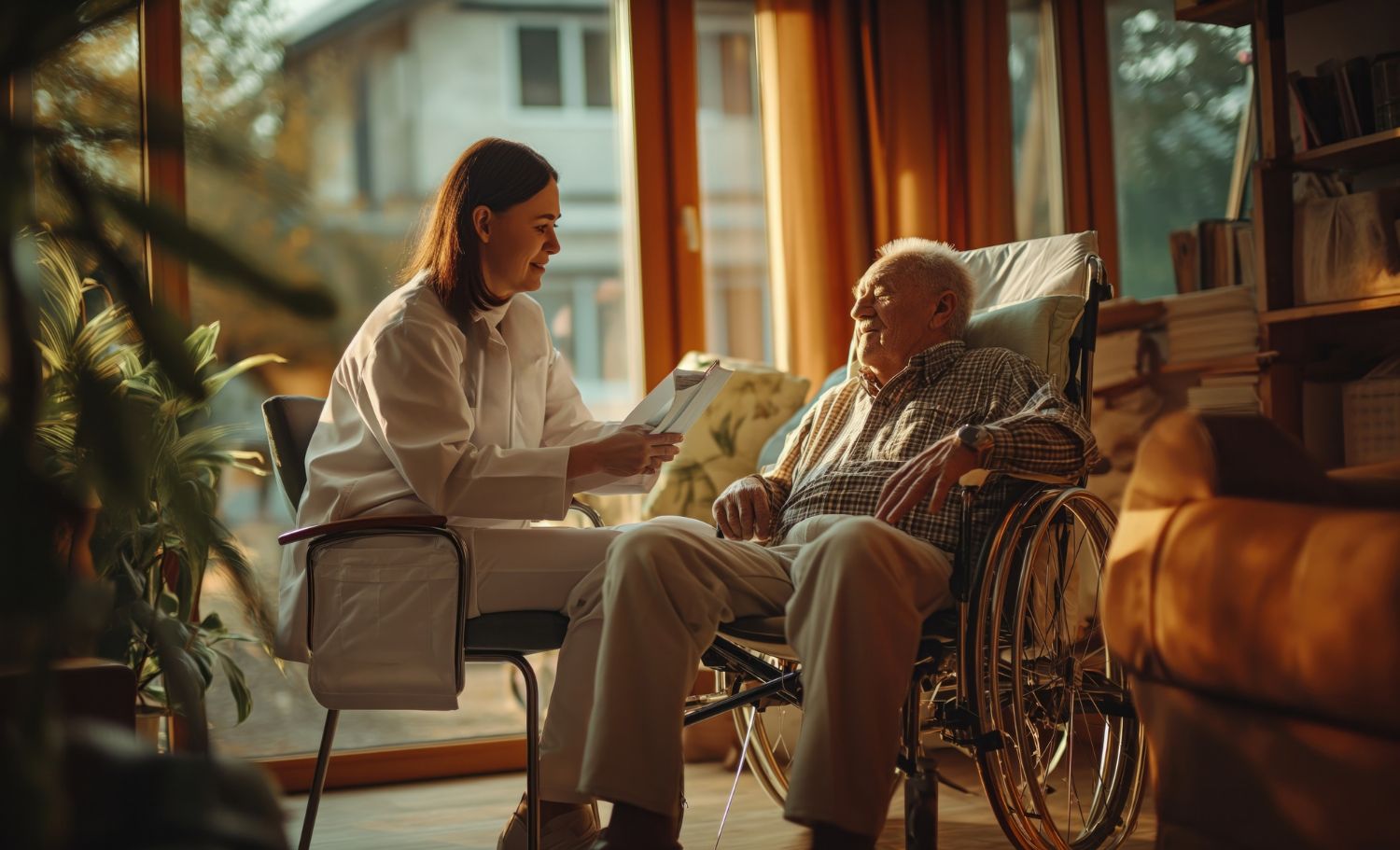

How social connection improves health and wellbeing for older Australians
Growing older brings many positive experiences, including retirement, more time with family and the opportunity to enjoy hobbies and community activities. However, for many older Australians, ageing can also bring significant life changes such as reduced mobility, the loss of loved ones or fewer opportunities for regular social interaction.
These changes can sometimes lead to social isolation, which has become an increasing concern across Australia. Research continues to show that maintaining meaningful social connections is just as important as looking after physical health. Regular interaction with family, friends and the wider community can improve mental wellbeing, support physical health and help older people continue living independent and fulfilling lives.
At Tarrays, we believe that quality care goes beyond assisting with daily tasks. It is about creating opportunities for people to remain connected, engaged and actively involved in their communities.
Why social connection is important as we age
Humans naturally thrive on connection. Conversations, shared experiences and community participation all contribute to emotional wellbeing and overall quality of life.
For older Australians, maintaining social relationships can help:
- improve confidence
- strengthen emotional wellbeing
- encourage independence
- reduce feelings of loneliness
- promote a greater sense of purpose
Remaining socially active often has a positive effect on both physical and mental health.
Understanding social isolation
Social isolation occurs when individuals have limited contact with others or fewer opportunities to participate in community life.
This may happen because of:
- retirement
- reduced mobility
- health conditions
- transport challenges
- loss of family or friends
- living alone
While occasional solitude is normal, prolonged isolation can affect emotional wellbeing and daily functioning.
Recognising the signs early allows families and care providers to offer the right support.
The connection between social wellbeing and physical health
Social engagement does more than improve mood.
Older adults who maintain regular social interaction are often more likely to:
- remain physically active
- participate in community activities
- attend medical appointments
- maintain healthy routines
- stay motivated to care for themselves
An active social life can encourage healthier lifestyle choices and contribute to greater overall wellbeing.
Supporting emotional wellbeing
Meaningful relationships help people feel valued, respected and included.
Regular conversations and shared activities provide emotional support during life's challenges and create opportunities to celebrate positive experiences together.
Older Australians who remain socially connected often report:
- improved happiness
- greater self confidence
- reduced stress
- increased optimism
Emotional wellbeing plays an important role in healthy ageing.
Building confidence through community participation
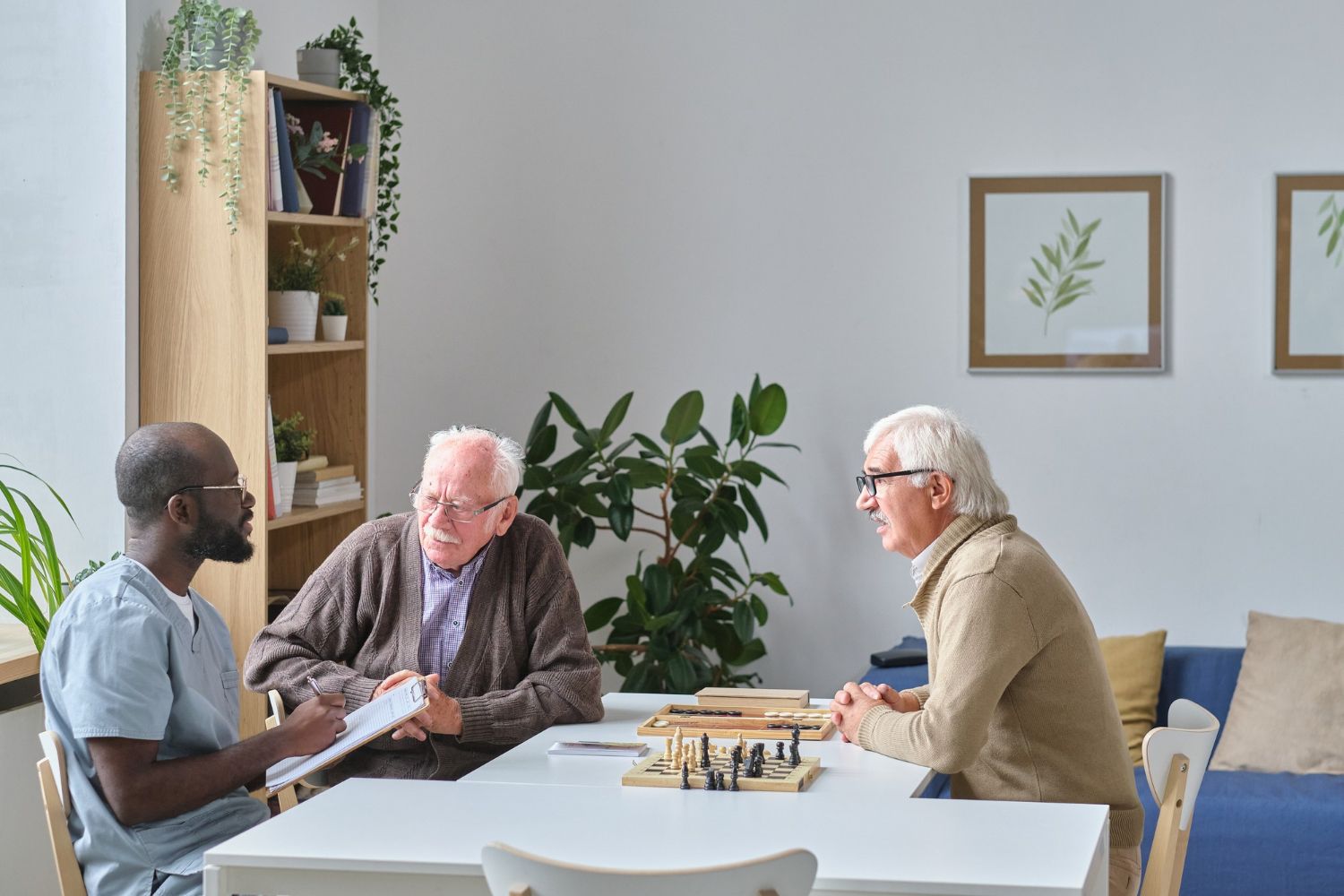
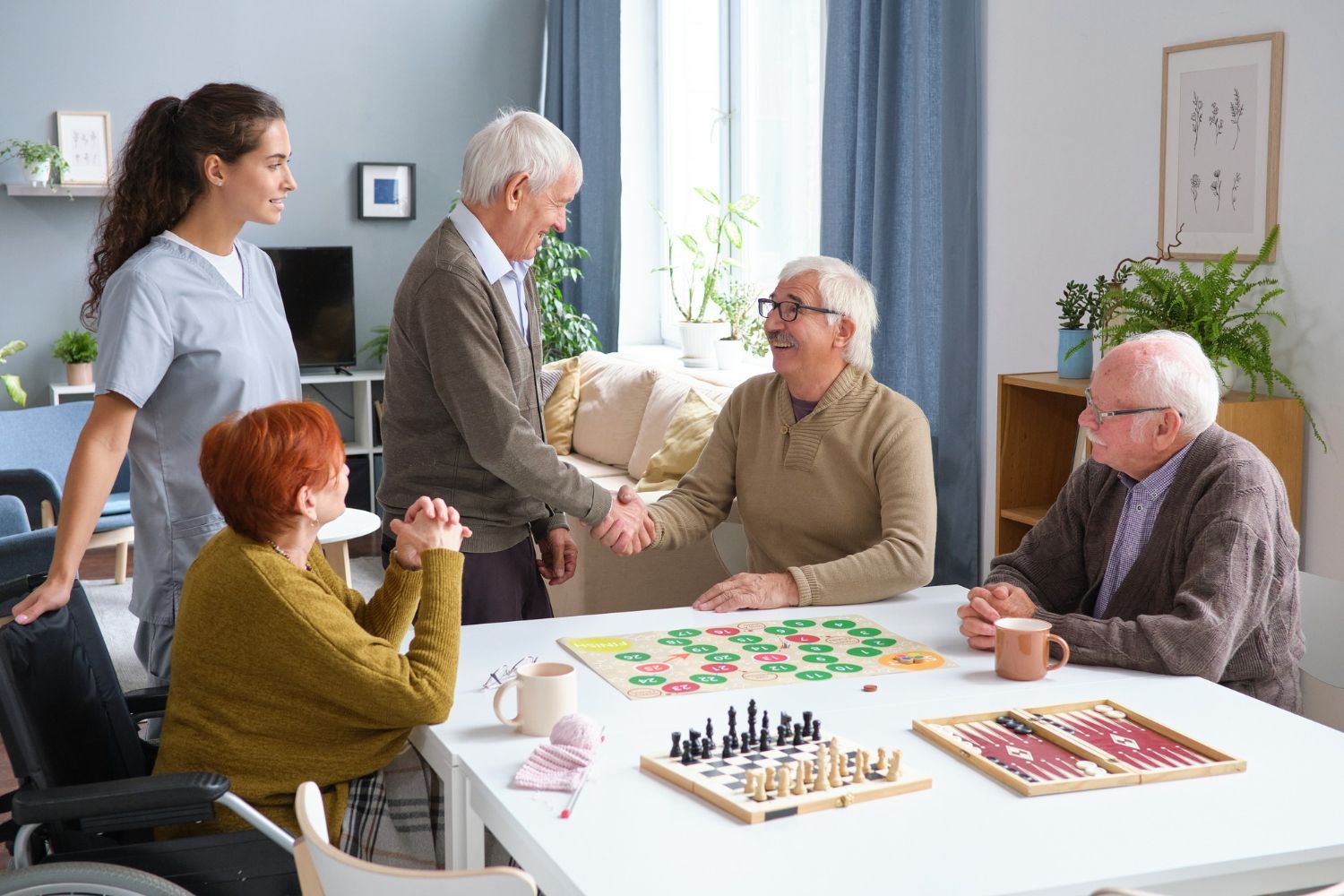
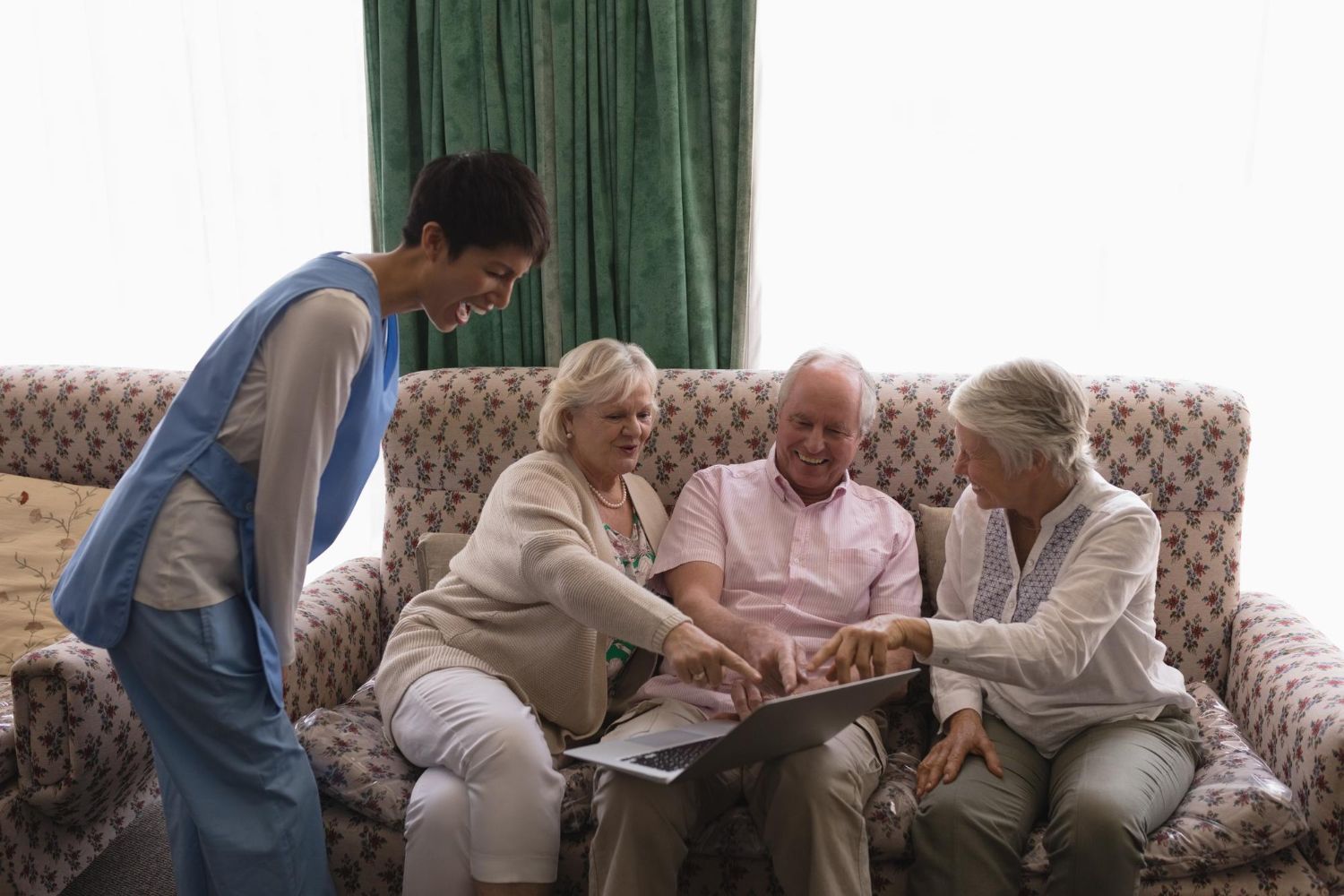
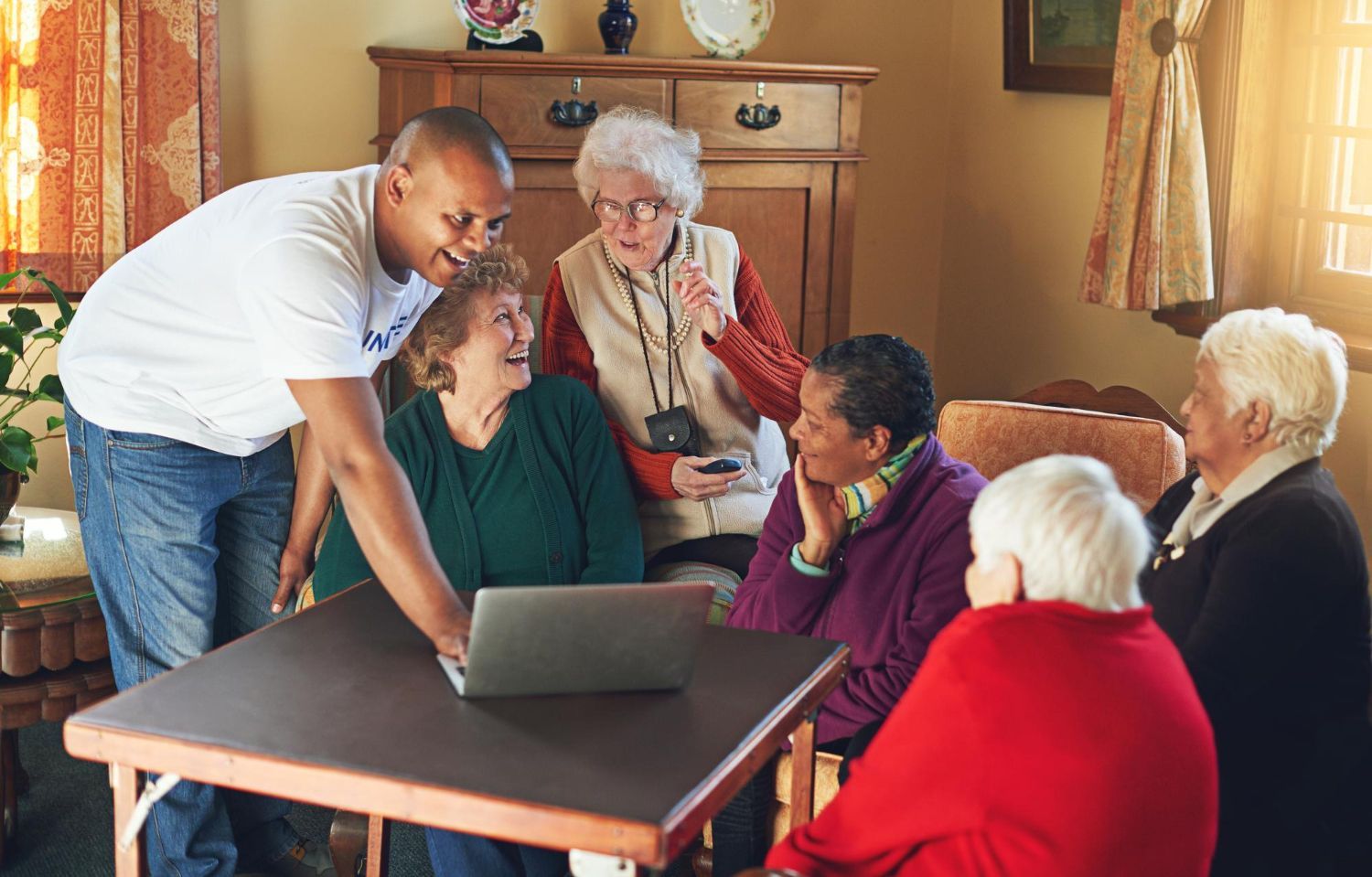
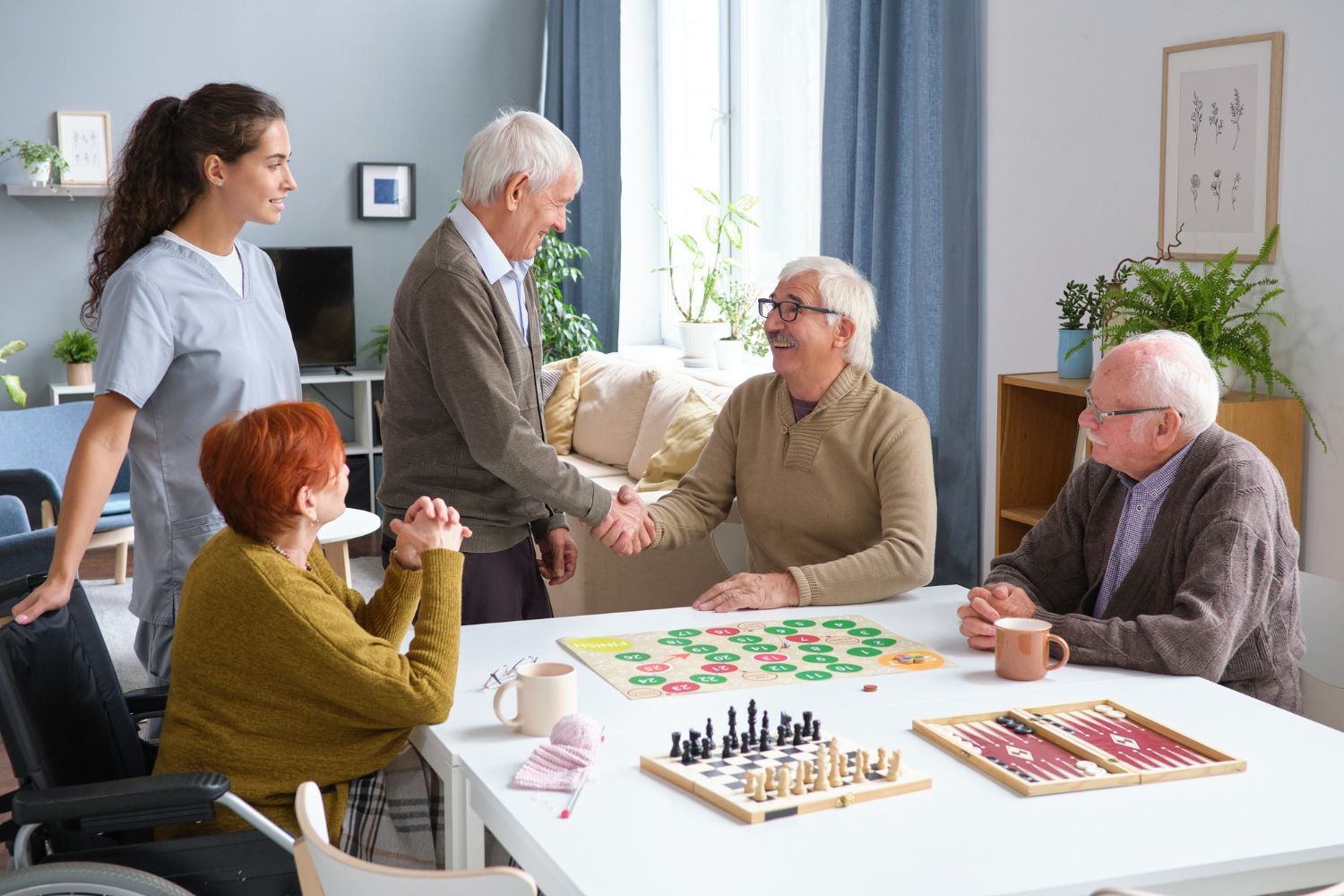
Community activities provide opportunities for older Australians to meet new people, develop friendships and remain engaged with the world around them.
Activities may include:
- social groups
- community events
- hobby programmes
- exercise classes
- cultural activities
- volunteer opportunities
Participation encourages independence while helping people maintain a strong sense of identity and belonging.
The role of families and carers
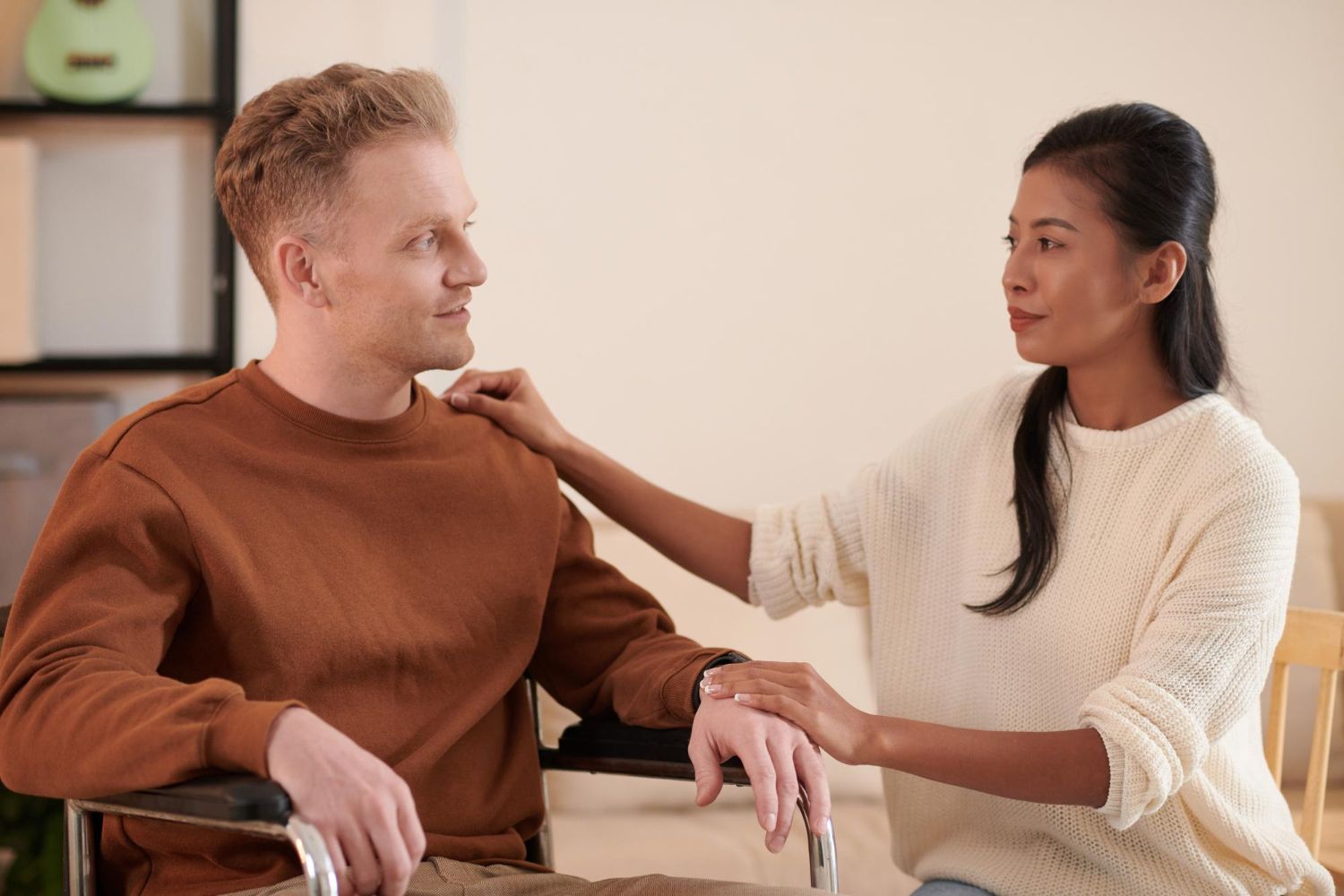
Families and carers play an important role in supporting social wellbeing.
Simple actions such as:
- regular visits
- phone calls
- shared meals
- outings
- encouraging participation in community activities
can make a meaningful difference to an older person's emotional health.
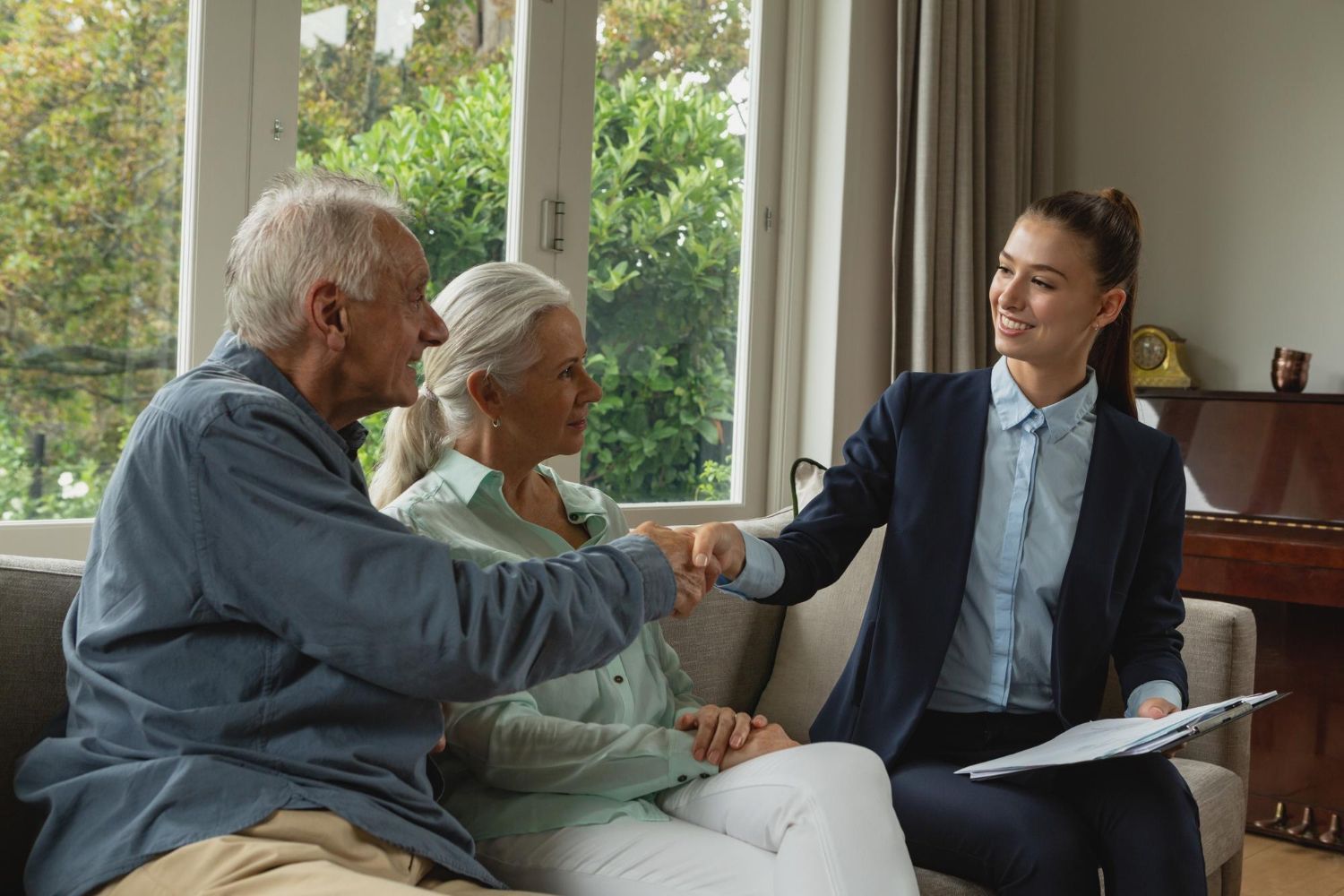
Professional care providers also work closely with families to identify opportunities that support ongoing social engagement.
How personalised support makes a difference
Every individual enjoys different activities and social experiences.
Person centred care focuses on understanding each person's interests, preferences and goals before developing support that encourages meaningful participation.
Some people enjoy group activities, while others may prefer smaller gatherings or one on one conversations.
Tailoring support in this way creates more positive and lasting outcomes.
How Tarrays supports social wellbeing
At Tarrays, we understand that quality care extends beyond physical assistance.
Our team works with older Australians and their families to create opportunities for meaningful connection, community participation and continued independence.
Whether through in home support, community based programmes or personalised care services, our focus is always on helping people remain active, engaged and connected to the people and activities that matter most.
We believe strong social connections are an essential part of healthy ageing.
Looking ahead
As Australia's population continues to age, supporting social wellbeing will become increasingly important.
Communities, families and care providers all have a role to play in ensuring older Australians remain connected, respected and included.
By encouraging participation and maintaining meaningful relationships, we can help create healthier, happier communities for everyone.
Conclusion
Strong social support for seniors Australia is about far more than reducing loneliness. It improves emotional wellbeing, supports physical health and helps older Australians continue living independent and meaningful lives.
At Tarrays, we are committed to delivering personalised support that promotes connection, confidence and community participation. By placing people at the centre of everything we do, we help older Australians enjoy greater wellbeing while remaining connected to the people, places and experiences that enrich their lives