
Creating dementia friendly environments: how thoughtful spaces improve wellbeing and independence
The environment in which a person living with dementia spends their time has a powerful influence on their wellbeing, confidence and sense of independence. Dementia does not only affect memory. It can change how people perceive space, process sensory information and navigate their surroundings. When environments are confusing or overstimulating, distress and withdrawal can increase. When spaces are designed thoughtfully, people with dementia are better supported to feel calm, engaged and capable. Across Australia, dementia friendly environments are becoming a cornerstone of high quality, person centred care.
At Tarrays, we recognise that care extends beyond personal support and clinical services. The physical environment plays a critical role in supporting dignity, comfort and quality of life.
What makes an environment dementia friendly
A dementia friendly environment is one that reduces confusion, supports orientation and promotes safety without restricting independence. It is designed with the changing needs of people living with dementia in mind.
Key characteristics include clear layouts, consistent visual cues, appropriate lighting and reduced noise. These features help people make sense of their surroundings and move with greater confidence.
Dementia friendly environments do not feel clinical or institutional. They feel familiar, welcoming and respectful.
Why environment matters in dementia care
As dementia progresses, individuals may experience difficulty interpreting visual information, judging distances or filtering sensory input. Busy or poorly designed spaces can feel overwhelming or threatening.
When environments are not adapted, people may become anxious, disoriented or reluctant to engage. This can lead to reduced mobility, social withdrawal and increased reliance on others.
Thoughtful environments support autonomy by enabling people to participate more fully in daily activities and social interactions.
Supporting orientation and navigation
Clear orientation is essential for people living with dementia. Simple design choices can make a significant difference.
Features that support orientation include:
- consistent signage with clear symbols
- colour contrast between walls, floors and doors
- distinct landmarks within shared spaces
- uncluttered walkways
These elements help individuals recognise where they are and where they are going, reducing frustration and anxiety.
When people feel confident navigating their environment, their sense of independence is strengthened.
The role of lighting and sensory comfort
Lighting has a direct impact on mood and perception. Poor lighting can create shadows that are misinterpreted or cause glare that disorients.
Dementia friendly spaces use natural light where possible and provide even, soft artificial lighting. This supports visual clarity and helps regulate sleep patterns.
Sensory comfort also includes managing noise levels and visual clutter. Calm environments reduce overstimulation and support emotional regulation.
Creating a sense of familiarity and belonging
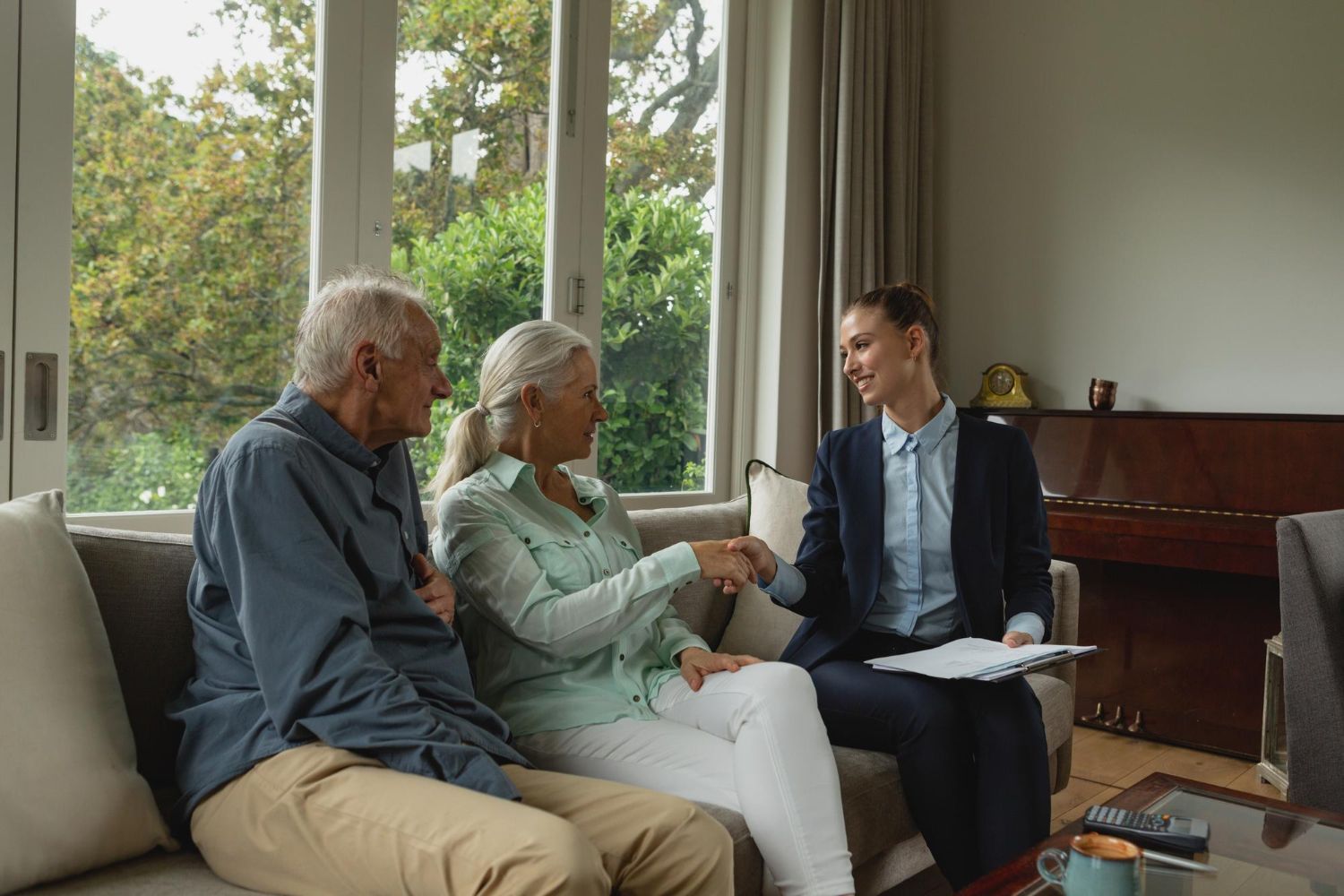
Familiarity is deeply comforting for people living with dementia. Environments that reflect everyday life rather than institutional settings support emotional wellbeing.
Incorporating familiar furniture, colours and textures can help people feel more at home. Personal touches and meaningful objects can spark recognition and conversation.
A familiar environment reinforces identity and helps individuals feel connected to their surroundings.
Promoting safety without restriction
Safety is a priority in dementia care, but it should not come at the cost of dignity or independence. Dementia friendly environments balance safety with freedom of movement.
Design features such as non slip flooring, handrails and clear sightlines reduce risk while allowing people to move independently. Avoiding unnecessary barriers supports confidence and mobility.
When people feel trusted and supported, they are more likely to remain active and engaged.
Encouraging engagement and social connection
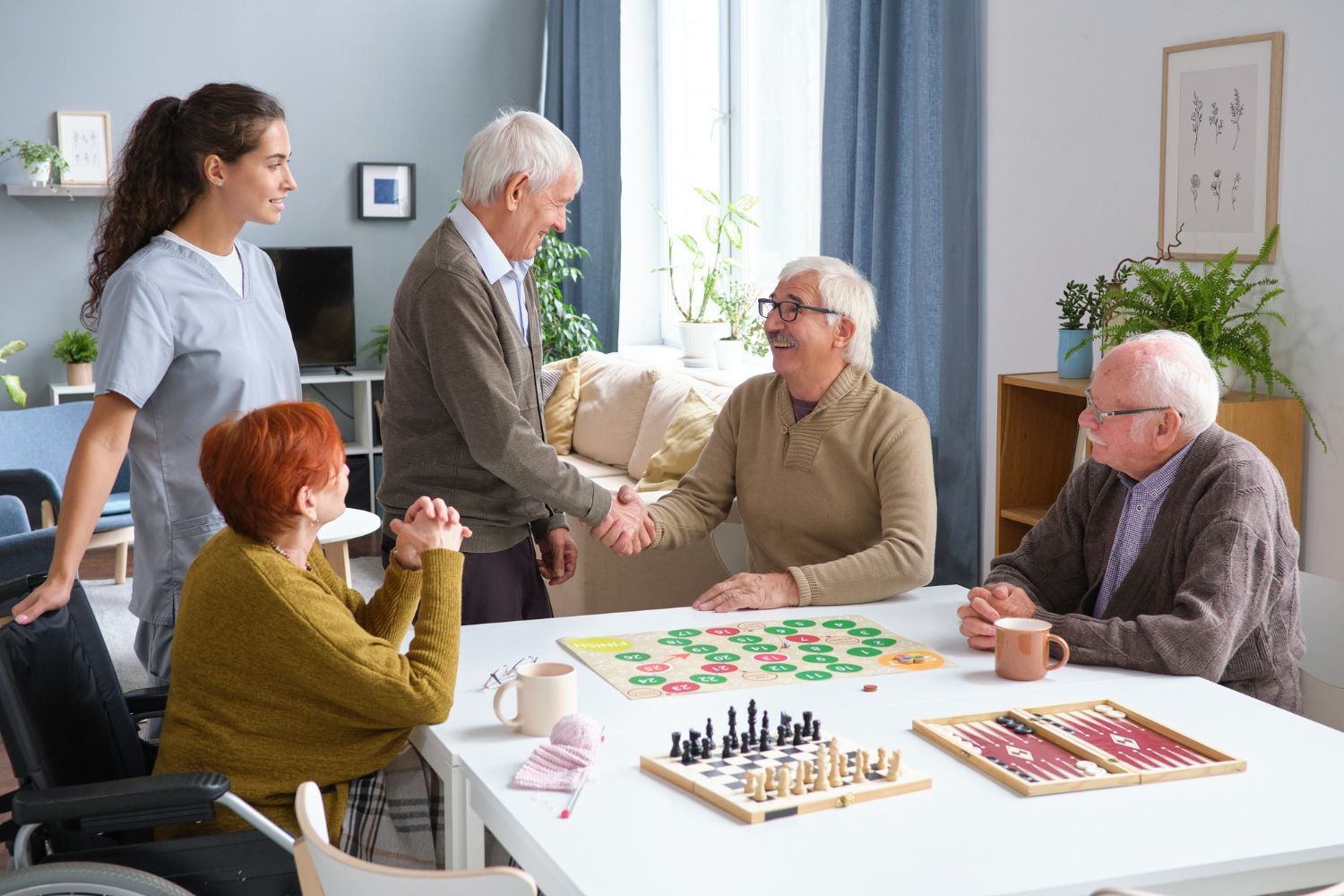
Environments influence how people engage with others. Welcoming shared spaces encourage social interaction and participation.
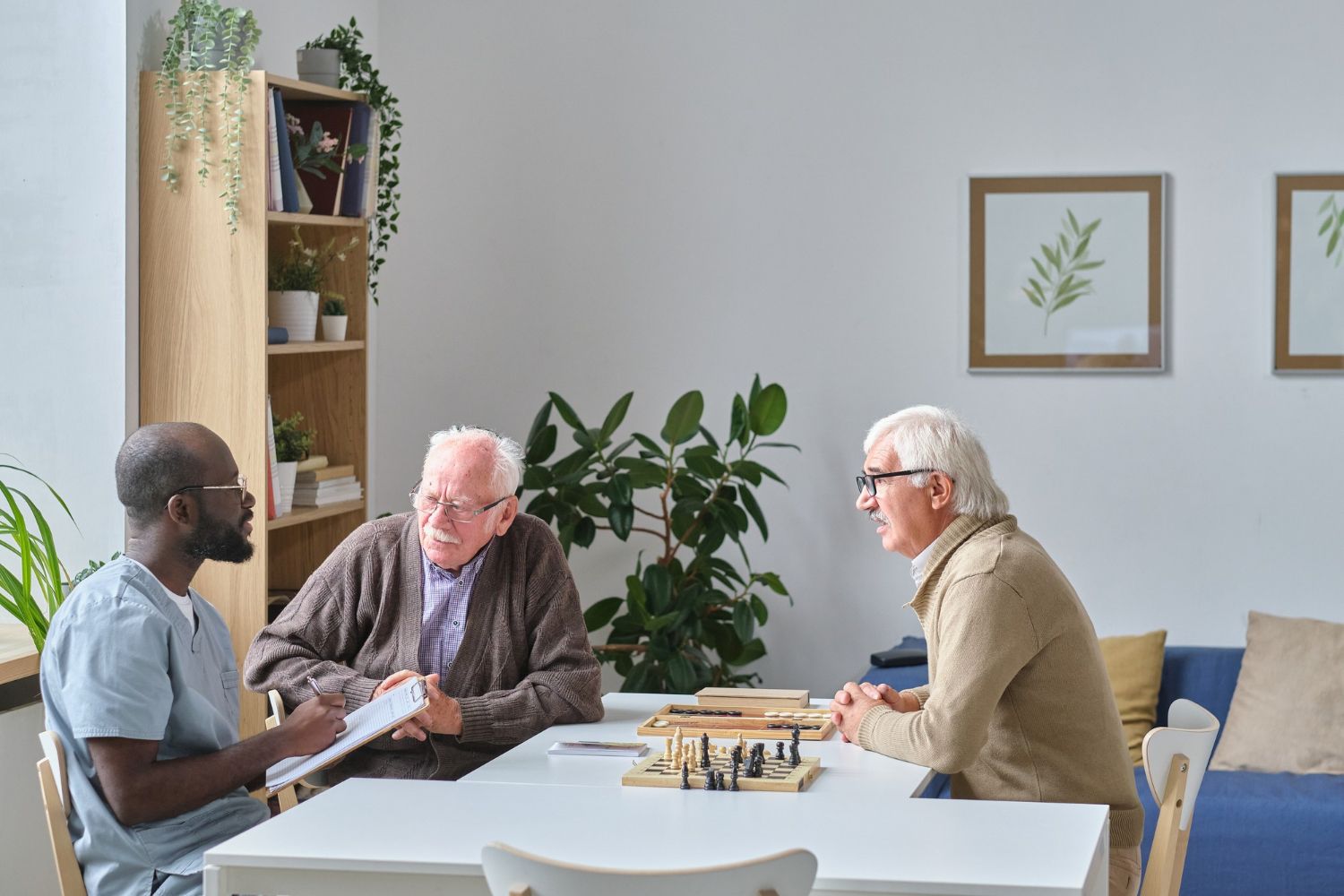
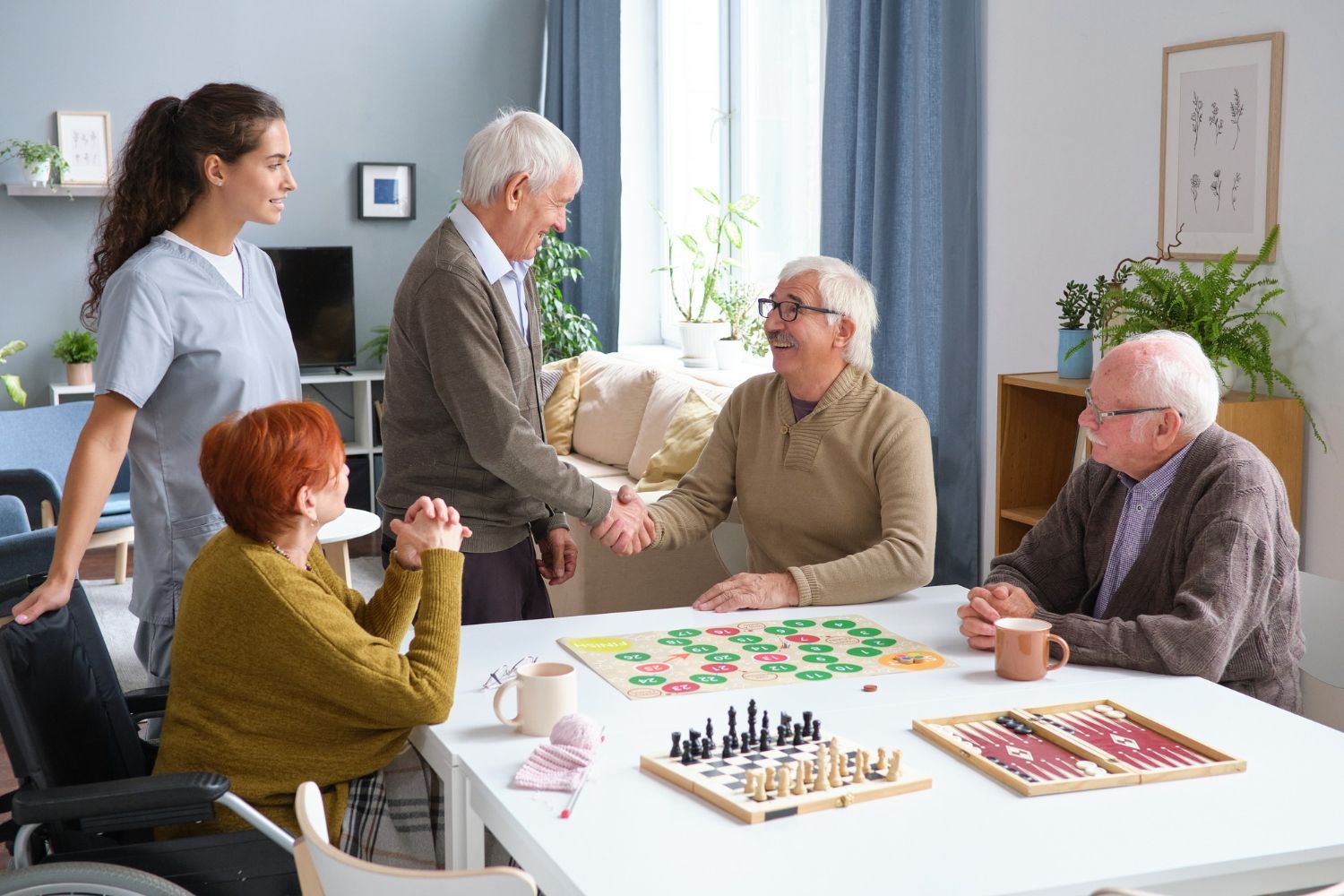
Comfortable seating areas, accessible activity spaces and inviting outdoor areas support connection and engagement. These spaces create opportunities for meaningful interaction and reduce isolation.
Social engagement is vital to emotional wellbeing and cognitive stimulation.
Supporting carers and care teams
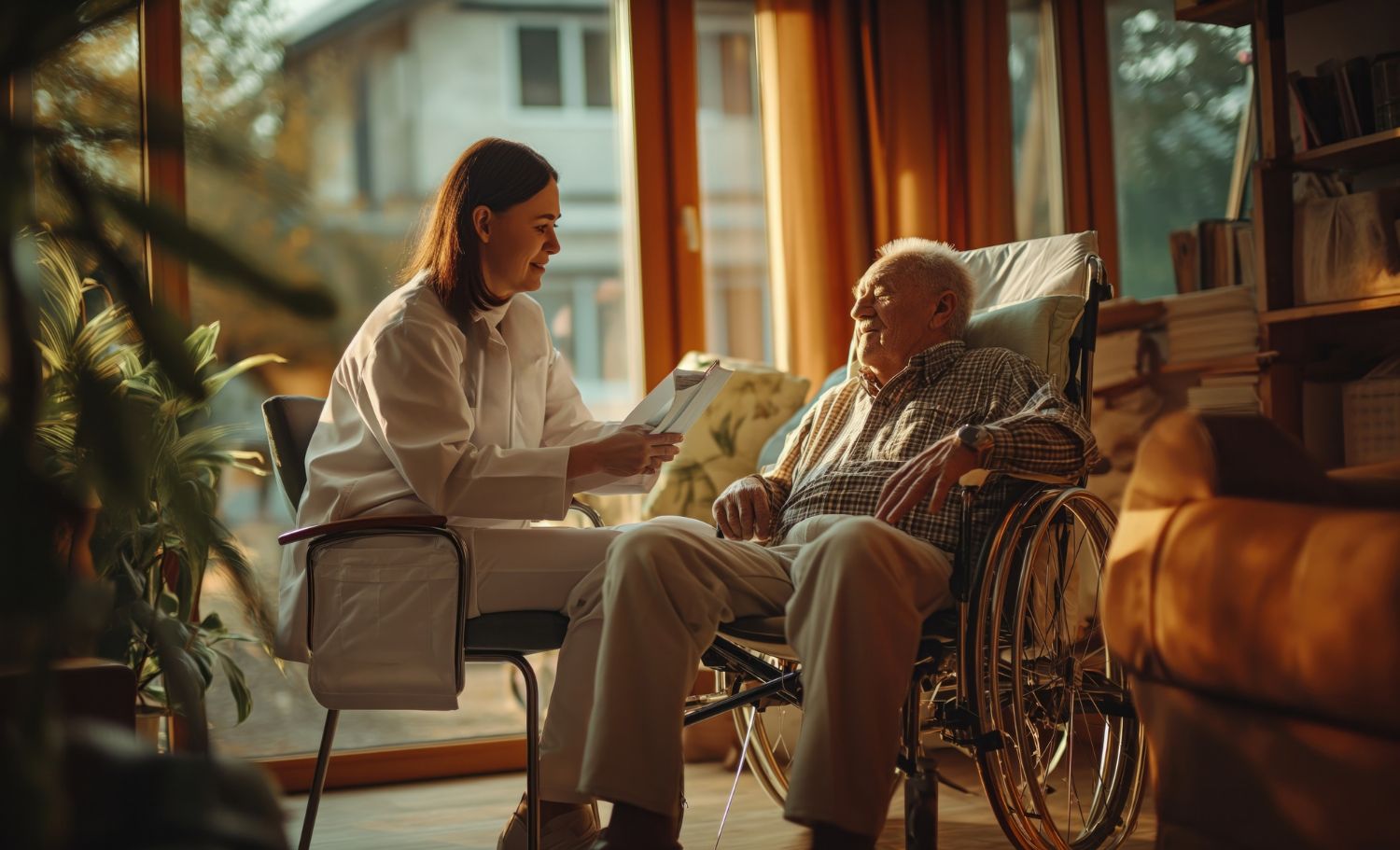
Dementia friendly environments benefit not only individuals but also carers and care teams. When spaces are intuitive and calm, care delivery becomes smoother and less stressful.
Clear layouts and accessible design reduce the need for constant direction or supervision. This allows carers to focus on relationship building rather than problem solving.
Well designed environments support more positive interactions between staff, families and those receiving care.
The importance of adaptability
Dementia is progressive, and needs change over time. Dementia friendly environments are adaptable and flexible.
Spaces should be able to evolve as support needs increase. This may involve adjusting signage, modifying layouts or introducing additional sensory supports.
Adaptability ensures that environments continue to support independence and comfort throughout the dementia journey.
How Tarrays supports dementia friendly care
At Tarrays, we understand that quality dementia care involves the whole environment. Our approach considers how spaces influence wellbeing, behaviour and engagement.
We support dementia friendly environments that promote dignity, safety and connection. By recognising the importance of thoughtful design, we help create settings where individuals can live with greater confidence and comfort.
Conclusion
Creating dementia friendly environments is not about aesthetics alone. It is about understanding how people living with dementia experience the world and responding with compassion and intention. Thoughtful spaces support wellbeing, independence and meaningful engagement.
Tarrays is committed to dementia care that values every aspect of a person’s experience. Through environments that are safe, familiar and supportive, we help people living with dementia feel respected, connected and empowered every day.