
Creating safe and calming environments for people living with dementia at home
Supporting a person living with dementia at home requires more than assistance with daily tasks. The environment itself plays a powerful role in shaping comfort, safety and emotional wellbeing. Familiar surroundings can help individuals feel secure, yet certain elements within the home may unintentionally create confusion or anxiety. Across Australia, families and care providers are increasingly recognising that small changes to the home environment can make a meaningful difference to quality of life for people living with dementia.
At Tarrays, we believe that creating a safe and calming space is an essential part of person centred care. Thoughtful adjustments can support independence, reduce stress and help individuals maintain dignity in their own homes.
Why the home environment matters in dementia care
Dementia affects memory, perception and spatial awareness. As cognitive changes progress, everyday environments may feel unfamiliar or overwhelming. Cluttered spaces, poor lighting or loud noises can increase confusion and agitation.
A well considered home environment supports orientation and comfort. When surroundings feel predictable and easy to navigate, individuals are more likely to remain calm and engaged in daily routines.
Creating a supportive environment helps reduce behavioural challenges and supports emotional stability.
Keeping spaces simple and familiar
Simplicity is one of the most effective ways to create a calming environment. Clear pathways, minimal clutter and consistent furniture placement help individuals move safely around their home.
Familiar objects such as photographs, favourite chairs or personal decorations can provide reassurance. These items connect individuals to memories and support a sense of identity.
Consistency is key. Frequent rearranging of furniture or décor can cause confusion, so maintaining a stable layout is important.
Using lighting to reduce confusion
Lighting plays a significant role in how people with dementia perceive their surroundings. Shadows, glare or dim areas may be misinterpreted and lead to anxiety or falls.
Natural light during the day supports orientation and mood, while soft, even lighting in the evening helps create a peaceful atmosphere. Night lights in hallways or bathrooms can provide reassurance and reduce disorientation during the night.
Thoughtful lighting choices promote both safety and comfort.
Creating clear visual cues
Visual cues help individuals understand where they are and what to do next. Simple signs, contrasting colours or labelled cupboards can support independence.
For example, using clear labels on drawers or placing a bright coloured seat in the bathroom may help individuals recognise important spaces. Visual cues should be gentle and respectful rather than overwhelming.
These small adjustments help maintain confidence in daily activities.
Reducing noise and overstimulation
Excessive noise can increase stress for people living with dementia. Televisions, appliances or busy household environments may feel overwhelming.
Creating quiet areas within the home allows individuals to relax and recharge. Soft music, familiar sounds or calm conversation can create a soothing atmosphere.
Balancing stimulation and calmness supports emotional wellbeing.
Designing safe movement within the home
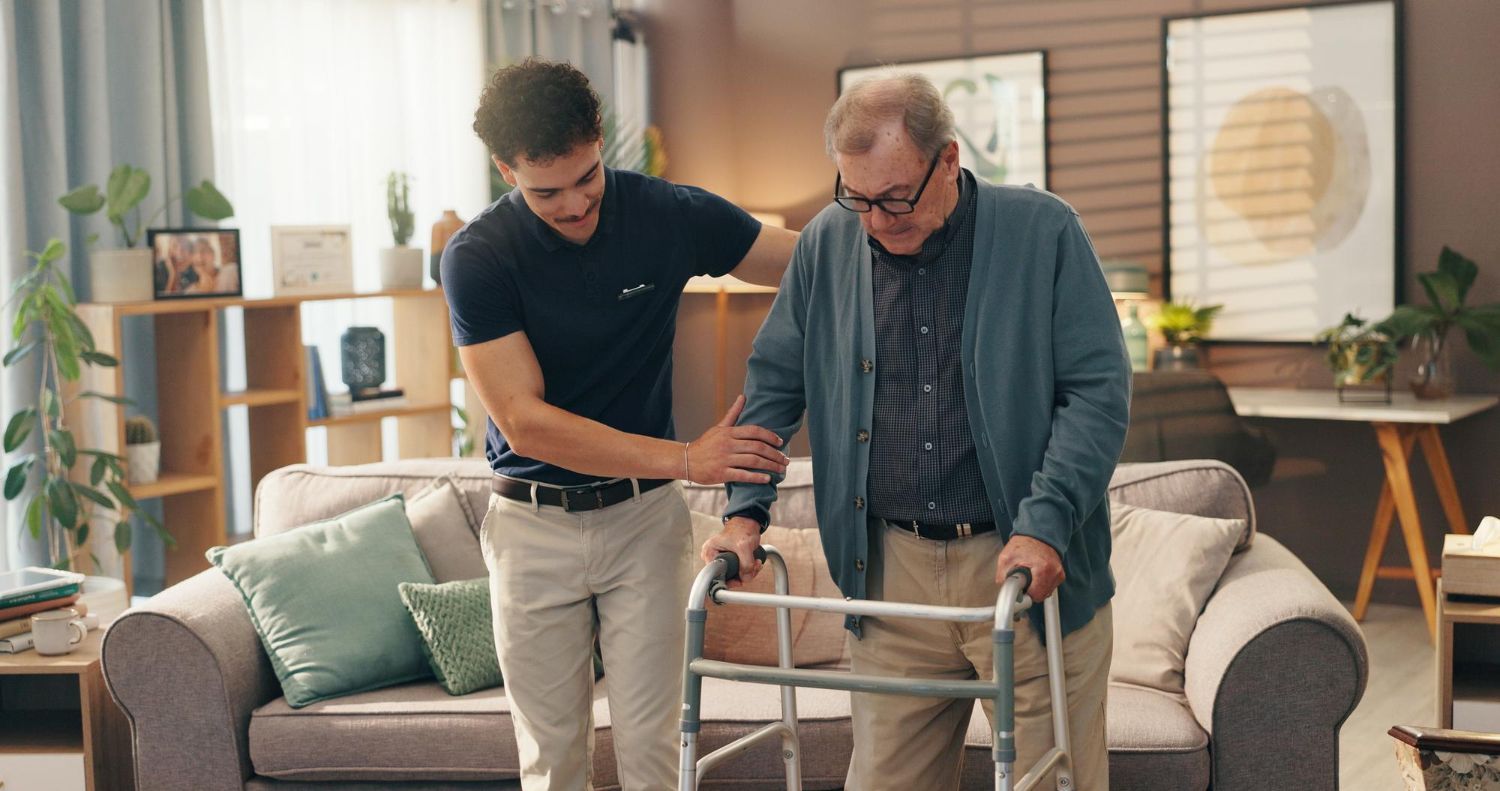
Safety is a priority when adapting environments for dementia care. Clear walking paths, secure rugs and supportive handrails help reduce the risk of falls.
Removing unnecessary obstacles allows individuals to move freely and confidently. Safe environments encourage independence rather than restriction.
Safety measures should blend naturally into the home to maintain a sense of normality.
Supporting daily routines through environment
People living with dementia often feel more secure when routines remain consistent. The home environment can support these routines by organising spaces in predictable ways.
For example, keeping commonly used items in visible locations can reduce frustration during daily tasks. Creating dedicated spaces for activities such as reading or meals helps reinforce structure.
Environmental cues support routine without the need for constant reminders.
The emotional impact of a calming home
A calm environment benefits not only the individual but also family members and carers. When surroundings feel peaceful and supportive, interactions become more positive and less stressful.
Families often find that simple environmental changes lead to fewer moments of agitation and more opportunities for meaningful connection.
A calm home encourages dignity, comfort and shared moments of joy.
How professional support enhances the home environment
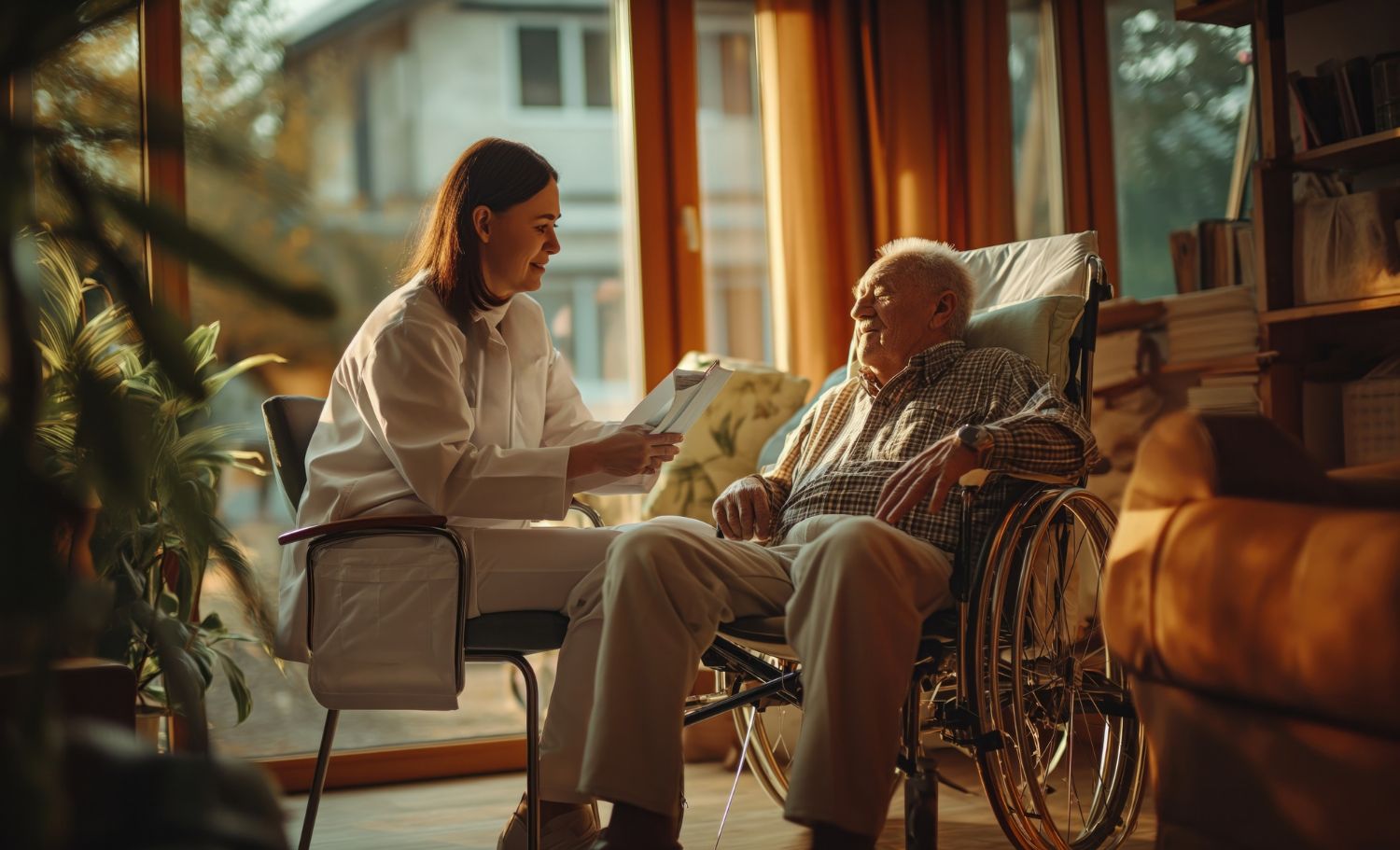
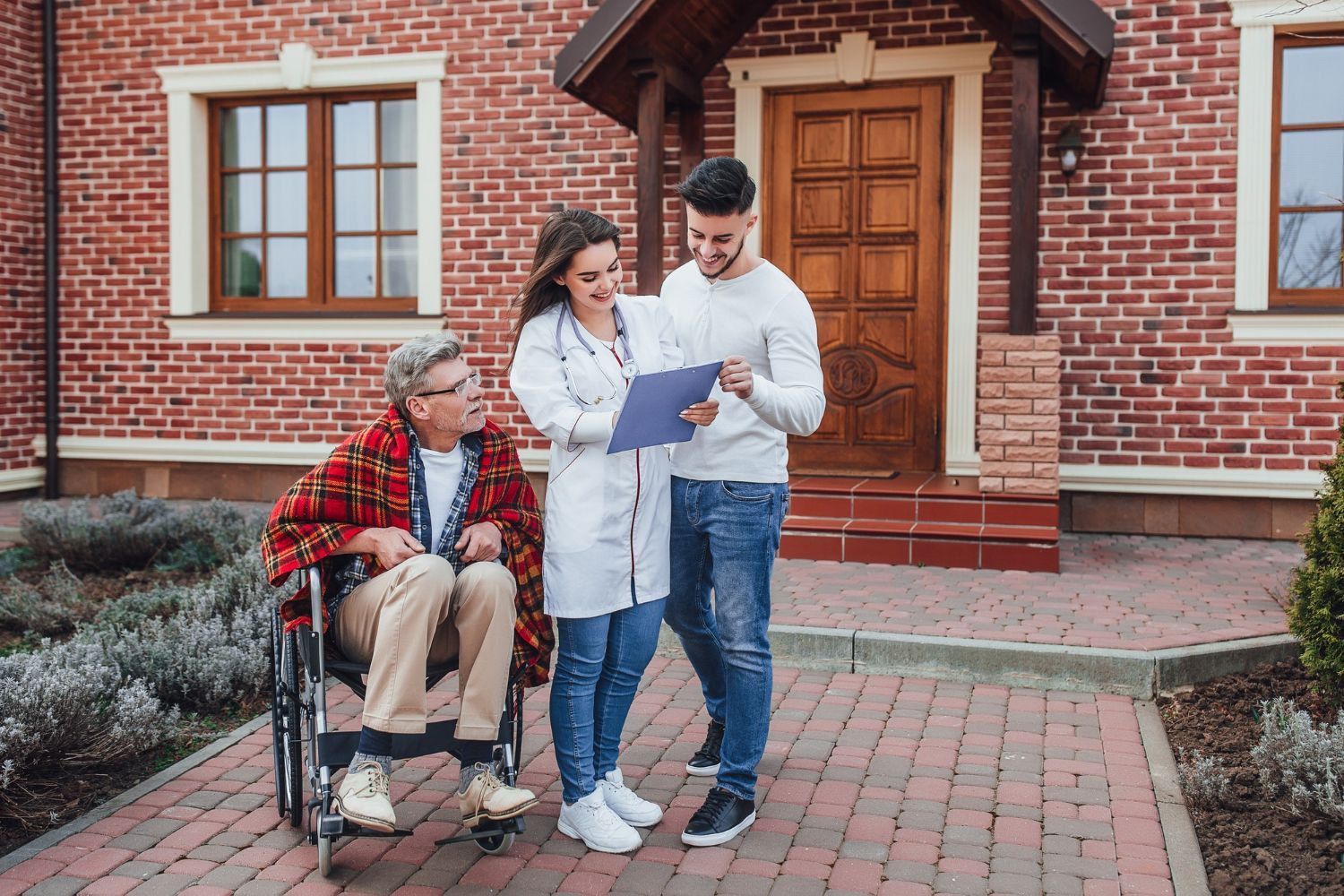
While families play a vital role, professional carers can provide valuable insight into creating dementia friendly spaces. Experienced support workers observe how individuals interact with their environment and suggest adjustments that improve comfort and safety.
Tarrays carers focus on understanding personal preferences, routines and triggers. This personalised approach ensures that environmental changes align with each individual’s needs.
Professional guidance helps families feel confident in supporting their loved ones at home.
The role of person centred care in environmental design
Every individual experiences dementia differently. A safe and calming environment must reflect personal history, cultural background and lifestyle preferences.
Person centred care recognises that the home should remain a place of familiarity and identity. Adjustments should enhance comfort without removing individuality.
At Tarrays, we believe that thoughtful environments support independence while preserving the essence of home.
Conclusion
Creating a safe and calming environment for people living with dementia is one of the most powerful ways to support wellbeing at home. Through simple adjustments to lighting, layout and sensory elements, families and carers can reduce anxiety and encourage independence.
Tarrays is committed to providing compassionate in home support that recognises the importance of environment in dementia care. By combining professional guidance with personalised care, we help create spaces where individuals feel secure, respected and truly at home.