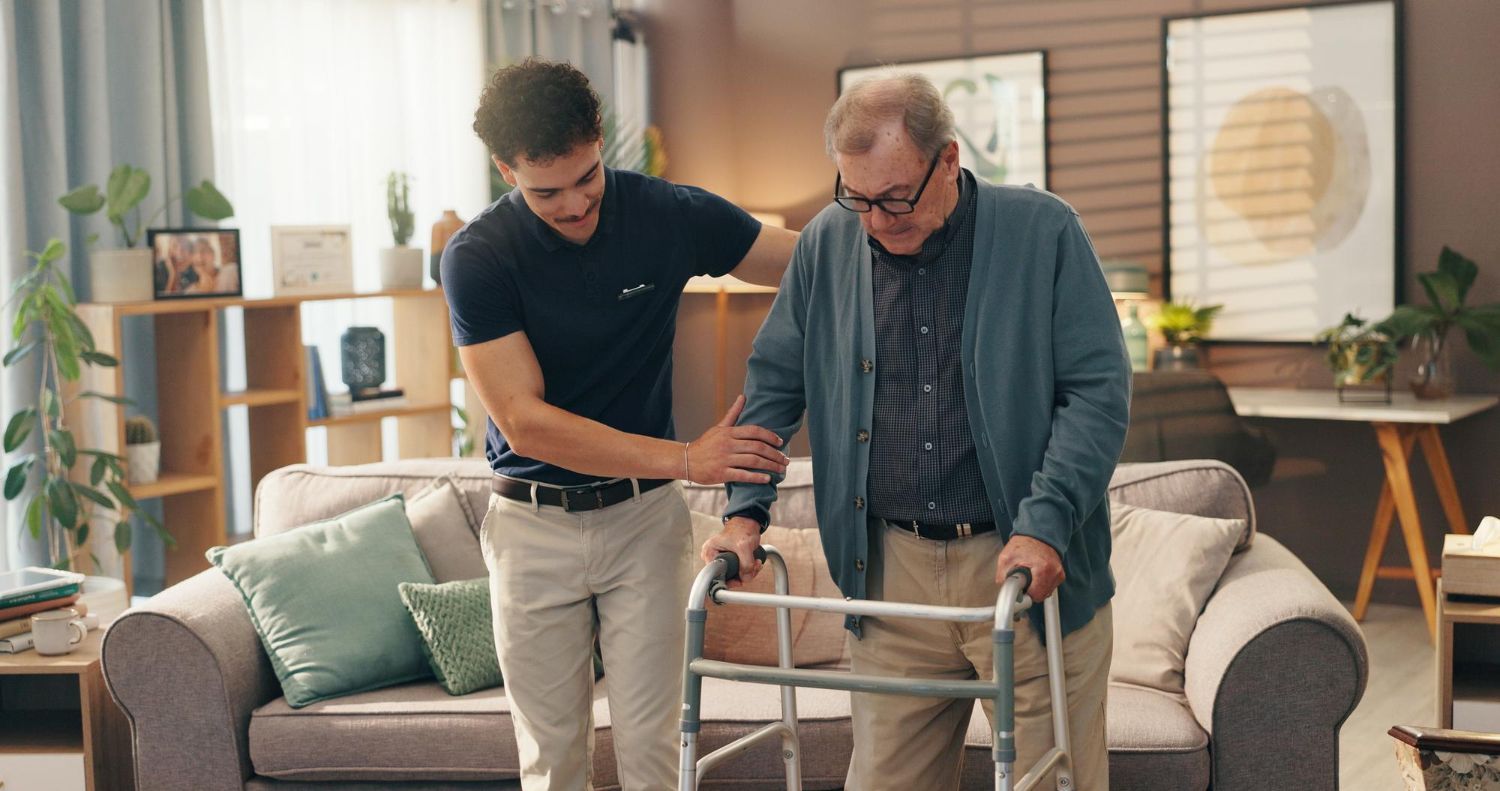

How coordinated support teams improve independence for NDIS participants and older Australians
Independence is a central goal for many people receiving aged care or disability support. While individual carers play an important role, meaningful independence often comes from a coordinated approach where support workers, families and healthcare professionals work together. When services operate in isolation, individuals may experience gaps in care or unnecessary challenges. Across Australia, coordinated support teams are becoming a key part of delivering effective NDIS and aged care services that promote confidence, stability and wellbeing.
At Tarrays, we believe that independence is strengthened when care is collaborative, consistent and focused on the individual’s goals.
What coordinated support really means
Coordinated support involves aligning different aspects of care so that everyone works towards shared outcomes. This may include support workers, allied health professionals, families and community networks.
Rather than viewing care as a series of separate tasks, coordinated teams focus on the person as a whole. Communication between team members ensures that support remains consistent and responsive to changing needs.
This approach helps individuals feel supported without feeling overwhelmed.
Why coordination matters for independence
Without coordination, individuals may receive conflicting advice or experience gaps between services. This can lead to frustration and reduce confidence in managing daily life.
When support teams communicate effectively, individuals receive clear guidance and consistent assistance. Goals such as improving mobility, building social connections or developing life skills become easier to achieve.
Coordination allows individuals to focus on progress rather than navigating multiple systems alone.
Supporting NDIS participants through teamwork
NDIS participants often engage with a variety of services, from personal care to therapy and community participation. A coordinated team ensures that these supports complement each other.
For example, a support worker may reinforce exercises recommended by an allied health professional, while family members provide encouragement at home. This alignment creates continuity and supports long term development.
Teamwork empowers participants to move towards greater independence.
Enhancing aged care support through collaboration
Older Australians receiving in home support also benefit from coordinated care. Changes in health or mobility require timely communication between carers and families.
When support workers share observations and insights, care plans can be adjusted proactively. This prevents small challenges from becoming larger concerns.
Collaborative care helps older individuals remain safe and confident in their own homes.
Improving communication across care teams
Effective communication is the foundation of coordinated support. Regular updates, shared goals and open dialogue help ensure that everyone involved understands the individual’s needs.
Clear communication reduces duplication of effort and ensures that support remains consistent. It also reassures individuals and families that care teams are working together.
Strong communication strengthens trust and reliability.
Encouraging active participation and choice
Coordinated support is not about directing individuals. It is about empowering them to make choices and participate actively in their own care.
When support teams collaborate, they can create opportunities that align with personal interests and aspirations. Whether learning new skills, engaging in community activities or maintaining daily routines, coordinated care supports meaningful participation.
Independence grows when individuals feel in control of their journey.
Reducing stress for families and carers
Families often carry significant responsibility when coordinating services. Without clear collaboration between providers, this can become overwhelming.
Coordinated support teams help reduce this burden by ensuring that communication flows smoothly. Families gain peace of mind knowing that carers and professionals are aligned.
This shared approach strengthens relationships and improves overall care experiences.
Adapting to changing needs over time
Support needs can evolve due to health changes, personal goals or life transitions. Coordinated teams are better equipped to respond quickly and adjust support plans.
Regular collaboration allows care teams to identify emerging needs and provide timely solutions. This flexibility ensures that individuals continue to receive appropriate support as circumstances change.
Adaptability is essential for maintaining independence.
How Tarrays delivers coordinated support
Tarrays focuses on building strong relationships between support workers, participants, families and other professionals. Our approach prioritises communication, consistency and respect for individual preferences.
We take time to understand each person’s goals and work collaboratively to support them. By aligning services and encouraging teamwork, we help individuals experience greater confidence and independence.
Coordinated care is central to how we deliver compassionate support.
Benefits of coordinated support teams
Individuals who receive coordinated support often experience:
- improved confidence and independence
- clearer communication and fewer misunderstandings
- stronger engagement with services
- enhanced safety and wellbeing
- more meaningful progress towards personal goals
These outcomes reflect the value of collaboration in care.
Conclusion
Independence is not achieved through isolated support. It grows when carers, families and professionals work together with shared purpose and clear communication.
Tarrays is committed to delivering coordinated support that empowers NDIS participants and older Australians to live with confidence and dignity. By fostering collaboration and personalised care, we help individuals build independence while remaining connected to the people and services that support their journey.