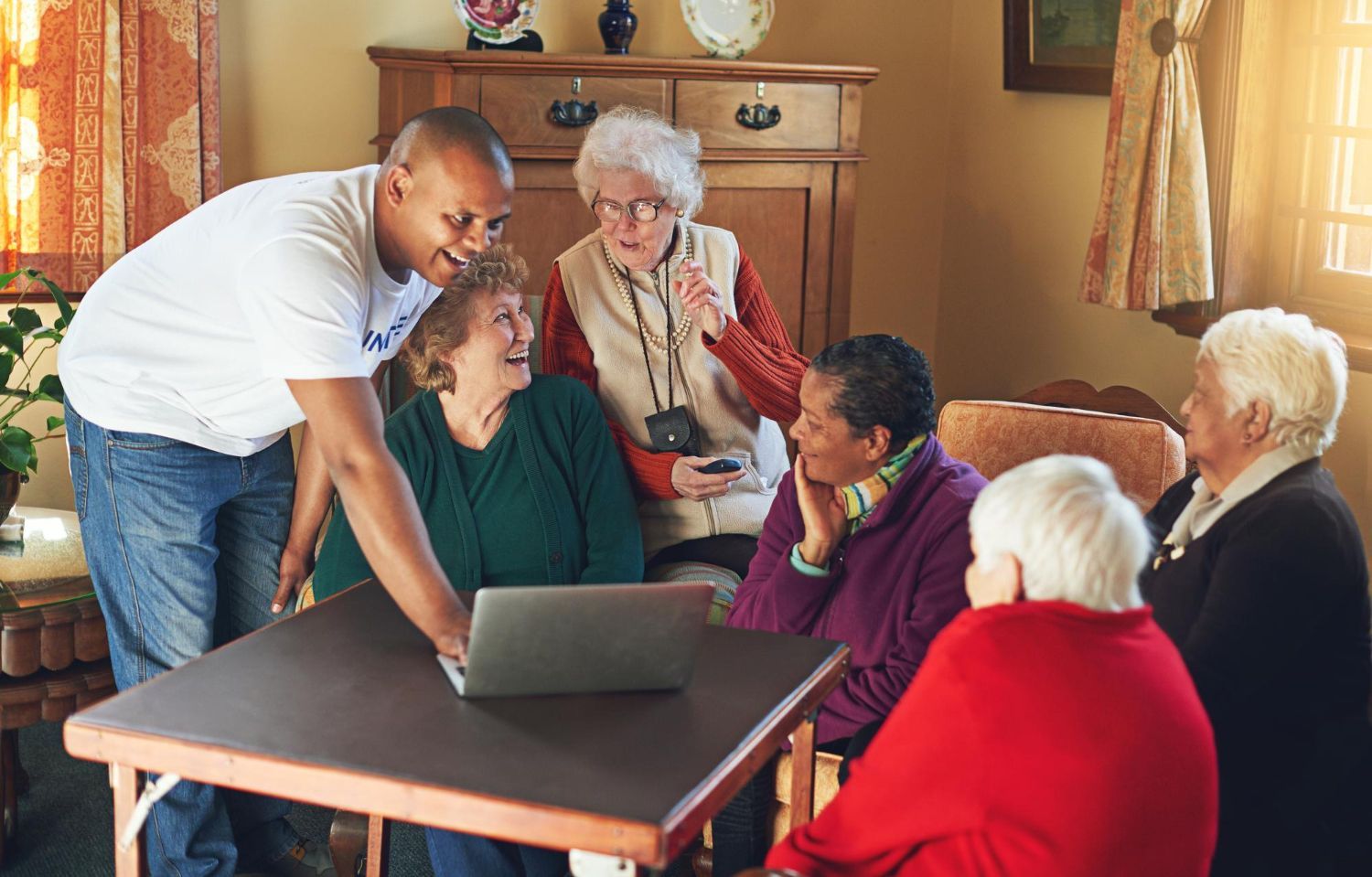

The role of culturally sensitive care in improving aged care and disability support outcomes
Australia’s communities are diverse, with people from many cultural backgrounds accessing aged care and disability support services. Culture influences how individuals communicate, express needs, view health and experience care. When support services recognise and respect cultural identity, the quality of care improves significantly. Across Australia, culturally sensitive care is becoming an essential part of delivering safe, respectful and person centred support.
At Tarrays, we believe that effective care begins with understanding the individual beyond their immediate needs. Cultural awareness strengthens relationships, builds trust and helps individuals feel truly seen and valued.
What culturally sensitive care means
Culturally sensitive care involves recognising and respecting each person’s background, traditions and personal values. It goes beyond language and includes understanding beliefs about family roles, food preferences, communication styles and social expectations.
Providing culturally responsive support does not mean making assumptions. It means listening carefully, learning from individuals and adapting care in ways that honour their identity.
This approach helps create environments where people feel comfortable and respected.
Why culture matters in aged care and disability support
For many older Australians and people living with disability, cultural identity is closely tied to emotional wellbeing. When care services overlook cultural preferences, individuals may feel isolated or misunderstood.
Simple considerations such as preferred meals, cultural celebrations or familiar routines can have a meaningful impact on comfort and engagement. Respecting cultural practices helps individuals maintain a sense of continuity and belonging.
Culturally sensitive care strengthens emotional connection and supports overall wellbeing.
Building trust through understanding
Trust is central to effective care relationships. Individuals are more likely to communicate openly when they feel understood and respected.
Care workers who demonstrate cultural awareness help create safe spaces for conversation. This encourages individuals to share concerns, preferences and goals more freely.
Strong trust leads to better collaboration between carers, families and support teams.
Improving communication and reducing misunderstandings
Communication styles vary across cultures. Some individuals may prefer direct conversation, while others value gentle or indirect communication.
Understanding these differences helps carers avoid misunderstandings and respond appropriately. For example, recognising cultural norms around eye contact, personal space or decision making can improve interactions.
Clear and respectful communication enhances both safety and satisfaction with care services.
Supporting families and community connections
Family plays a significant role in many cultures, particularly within aged care and disability support. Involving families in care planning can strengthen relationships and ensure that support aligns with cultural expectations.
Culturally sensitive care recognises that families may wish to participate actively in decision making or daily routines. Respecting these dynamics helps create a more inclusive and collaborative care experience.
Community connections also play an important role in maintaining identity and social engagement.
Personalising daily support
Person centred care becomes more meaningful when cultural preferences are considered. This may include adapting meal preparation, respecting spiritual practices or supporting participation in cultural activities.
Personalised support acknowledges that individuals are not defined solely by their care needs. Their culture, history and experiences shape who they are.
Tailoring daily support helps individuals maintain dignity and independence.
Enhancing staff awareness and training
Delivering culturally sensitive care requires ongoing learning and awareness. Support workers benefit from training that helps them understand cultural diversity and reflect on their own assumptions.
Education encourages empathy and equips carers with the tools needed to respond respectfully in different situations. Continuous learning strengthens care quality across diverse communities.
Cultural awareness is a skill that evolves through experience and understanding.
Reducing barriers to accessing support
Some individuals may hesitate to seek support services if they feel their cultural needs will not be respected. Providing culturally sensitive care helps reduce these barriers and encourages greater engagement with services.
When individuals see their identity reflected and valued within care environments, they are more likely to participate actively and build positive relationships with carers.
Inclusive support promotes equal access to care.
The role of Tarrays in delivering culturally responsive care
Tarrays is committed to supporting individuals from diverse backgrounds through respectful and inclusive care practices. Our support workers take time to understand each person’s preferences, traditions and goals.
By focusing on empathy and personal connection, we help create environments where individuals feel comfortable expressing themselves. Our approach ensures that care is not only effective but also meaningful.
Culturally sensitive care is central to our mission of enriching lives through compassionate support.
Benefits of culturally sensitive care
Organisations that prioritise cultural understanding experience:
- stronger relationships with clients and families
- improved communication and cooperation
- increased engagement with care services
- enhanced emotional wellbeing
- more personalised and effective support
These outcomes contribute to better experiences for everyone involved.
Conclusion
Culturally sensitive care is not an additional feature of support services. It is a fundamental part of delivering respectful and person centred care. By recognising and valuing cultural identity, support providers can create environments where individuals feel understood, respected and empowered.
Tarrays is dedicated to providing inclusive aged care and disability support that honours diversity and individuality. Through empathy, understanding and personalised care, we help individuals maintain dignity, connection and wellbeing in every stage of their journey.