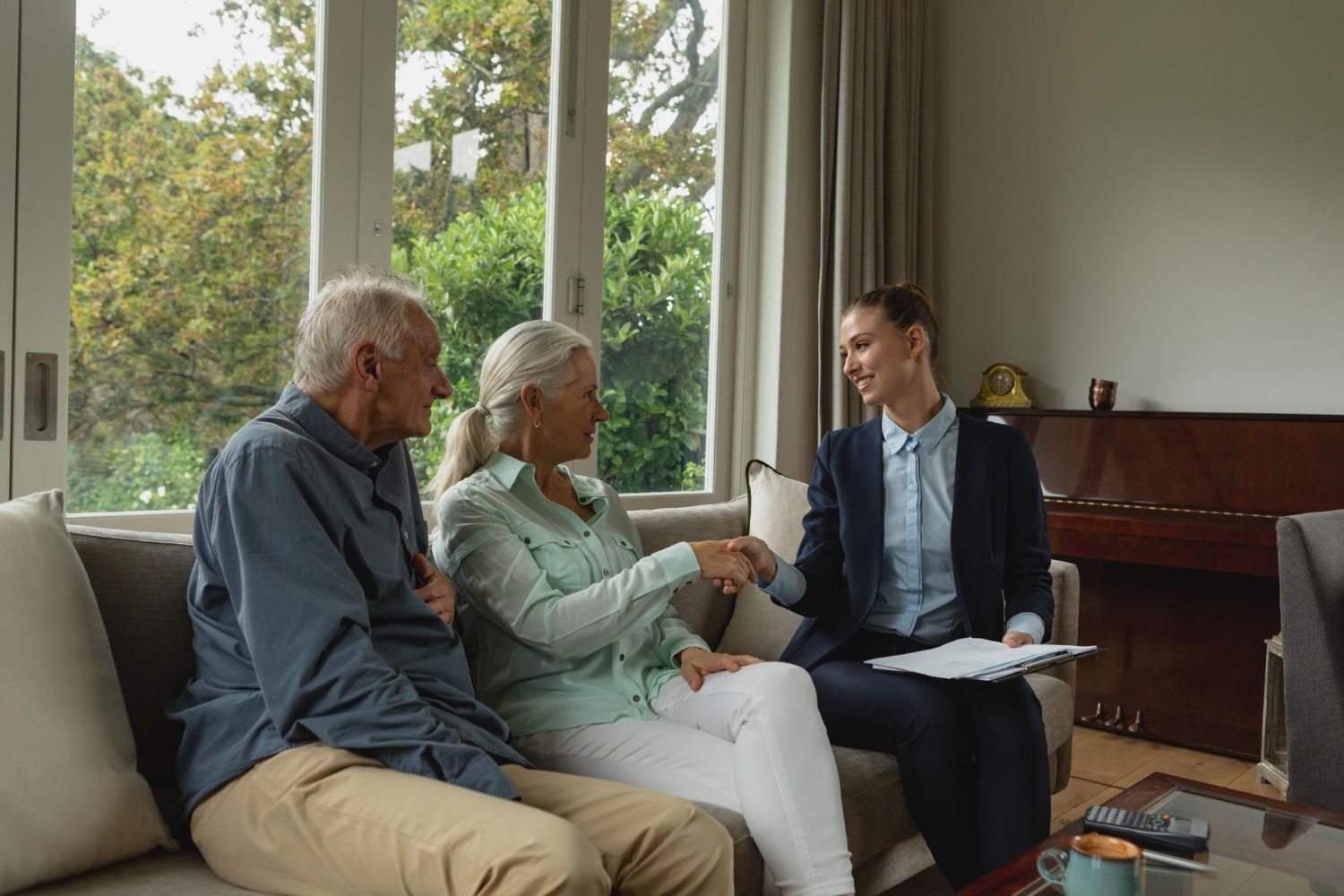

How aged care at home can help older Australians remain independent
Why many older Australians prefer to remain at home
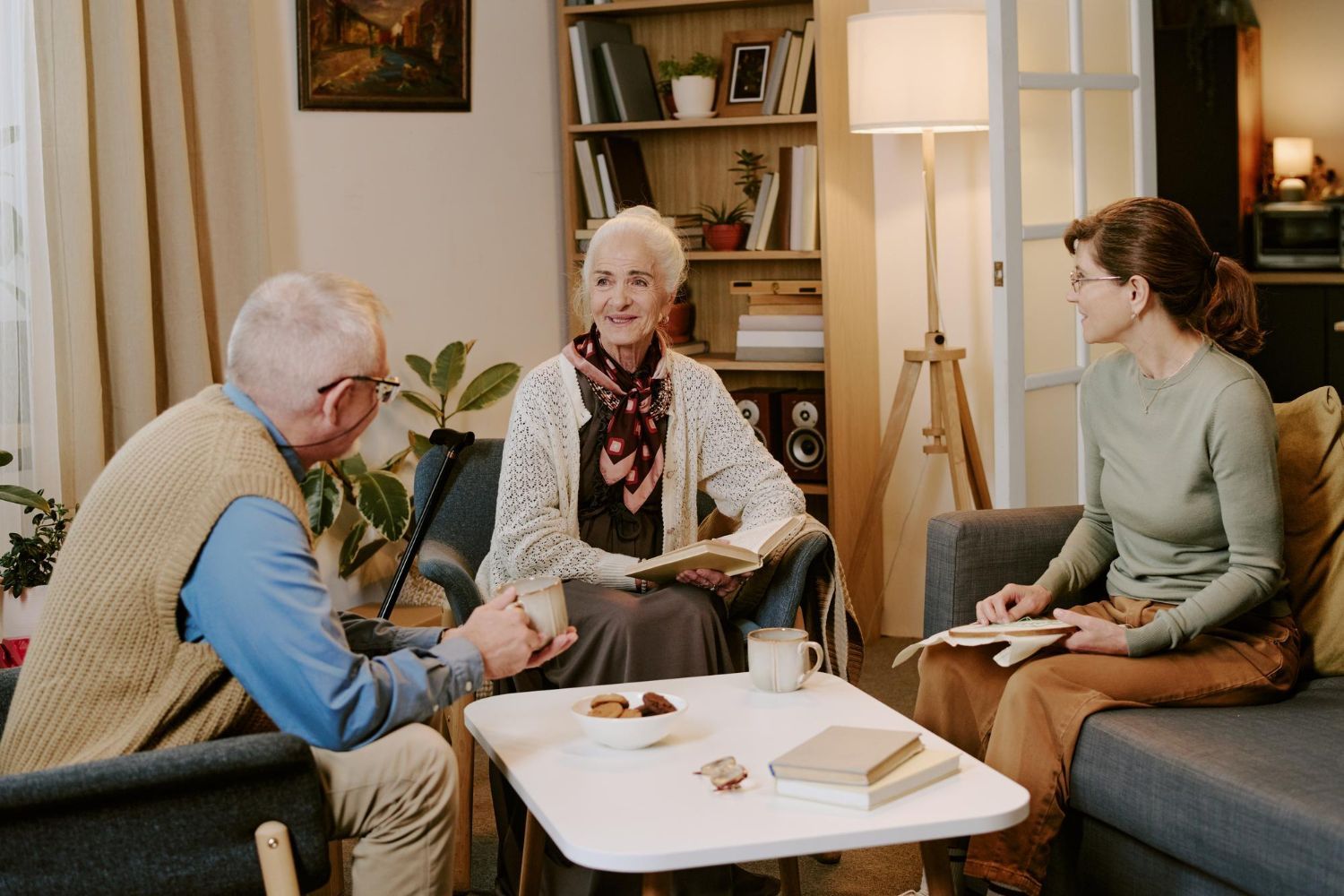
Home is more than a physical place. For many older Australians, it represents familiarity, independence, memories and connection to their community.
As people age, however, everyday activities can sometimes become more difficult.
Tasks such as preparing meals, cleaning, shopping, personal care or travelling to appointments may require additional assistance.
Aged care at home can provide support while allowing older people to remain in familiar surroundings for as long as it is appropriate for their needs and circumstances.
The objective is not to take away independence. It is to provide the right level of assistance so that a person can continue participating in everyday life.
What does aged care at home involve?
Aged care at home can include different forms of assistance depending on the person's needs and the services available to them.
Support may include:
- Personal care.
- Household tasks.
- Meal preparation.
- Assistance with shopping.
- Community participation.
- Transport support.
- Social activities.
- Assistance with daily routines.
- Support to attend appointments.
- Other services based on an individual's assessed needs.
The right combination of services depends on the individual.
Some older people may only need occasional assistance, while others may require more regular support.
How support at home can promote independence
Independence does not necessarily mean doing everything without assistance.
For an older person, independence may mean being able to choose when they wake up, decide what they want to eat, maintain relationships, participate in hobbies or remain involved in their local community.
Support services can help make these activities possible.
Assistance with everyday tasks
Household tasks can become physically demanding with age.
Support with cleaning, laundry, shopping or meal preparation can help reduce the pressure associated with these activities.
This allows the person to focus their energy on activities they enjoy.
Support with personal care
Some older people may require assistance with personal care while continuing to make their own choices about how and when care is provided.
Respectful support should protect privacy and dignity.
Staying connected with the community
Remaining socially connected can become more difficult when mobility or transport is limited.
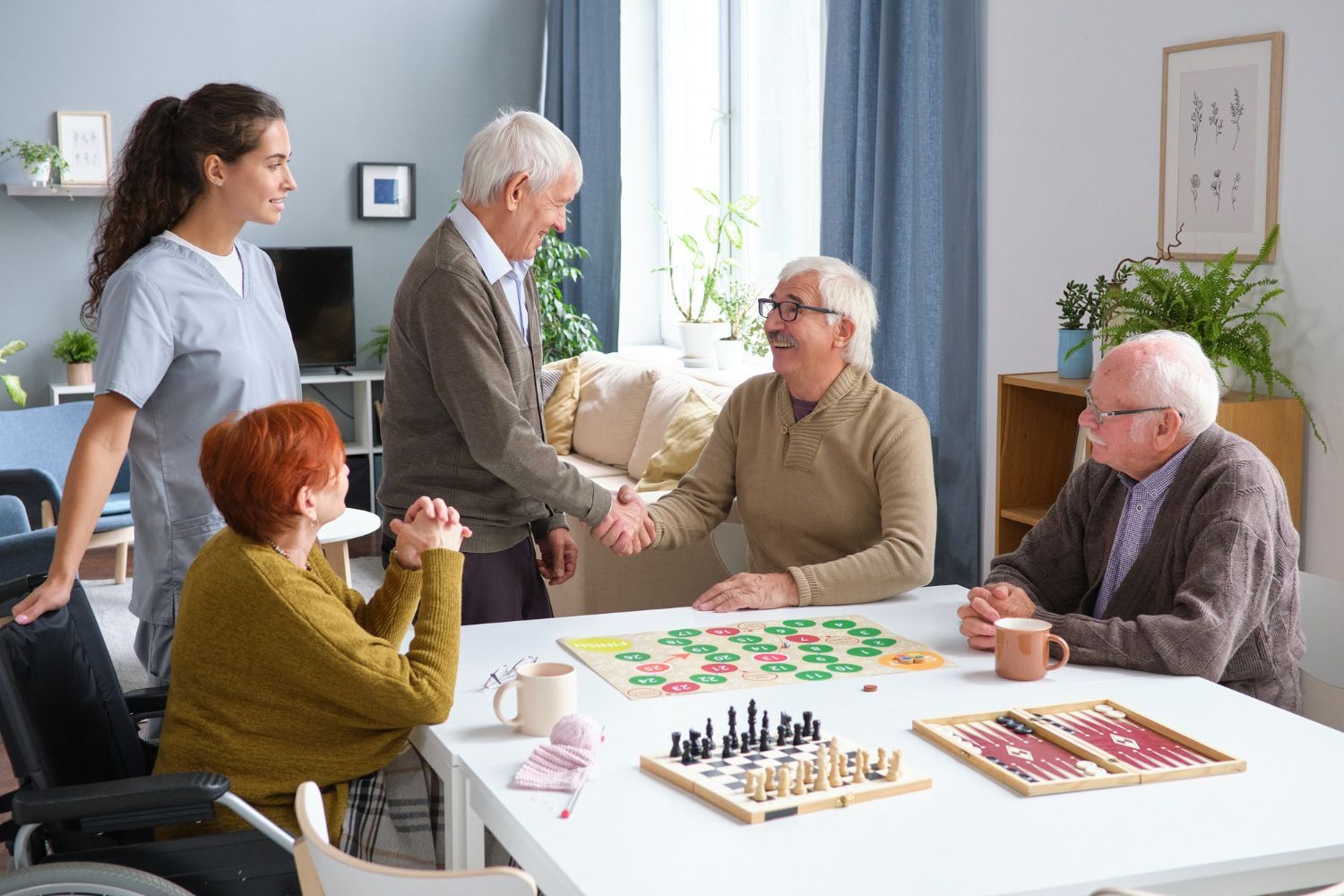
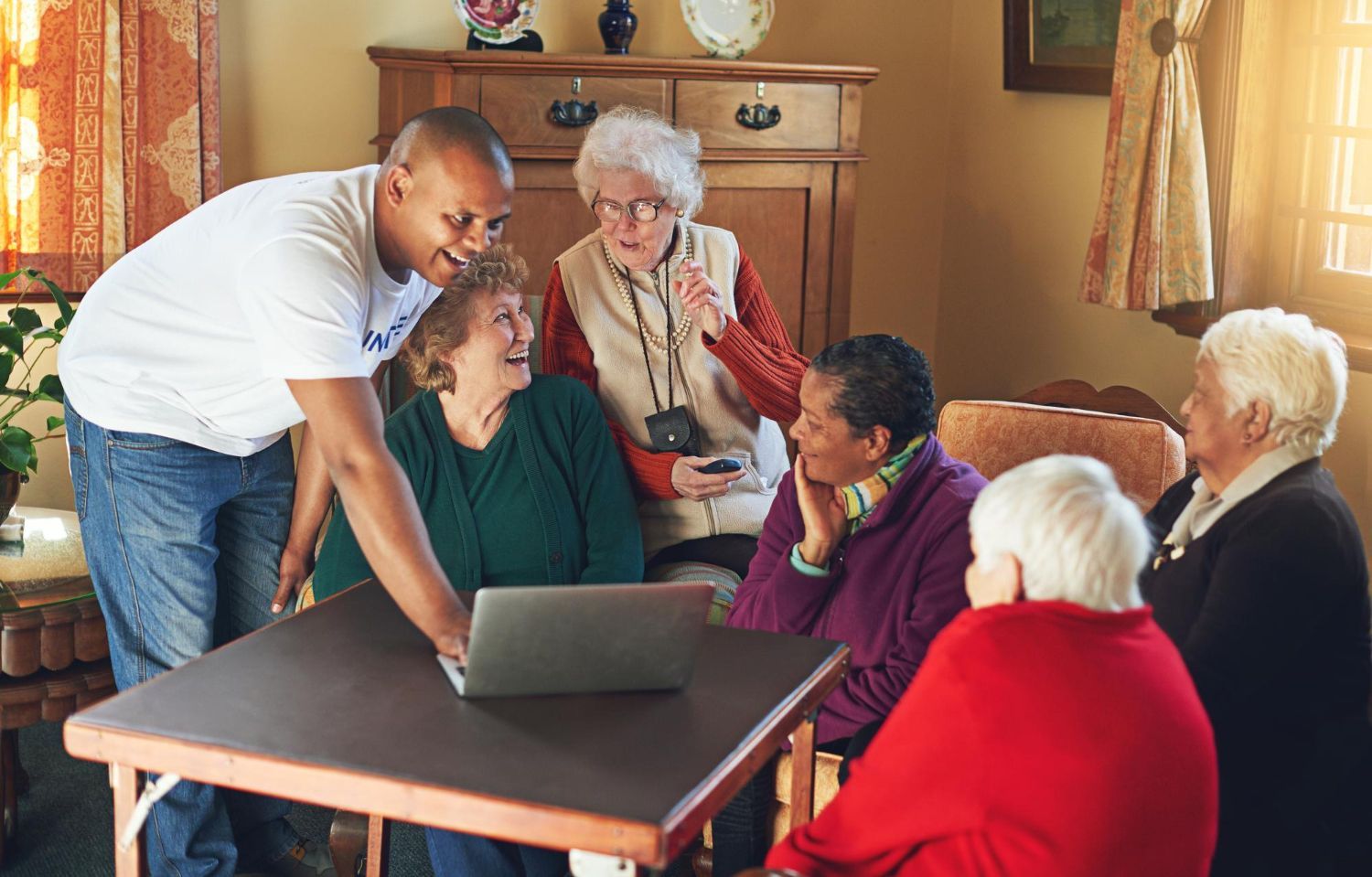
Support with community access can help older people continue attending appointments, visiting friends, participating in activities or maintaining connections with local organisations.
Maintaining familiar routines
Receiving support at home allows many people to continue following familiar routines.
This can be particularly valuable for older adults who feel more comfortable in a familiar environment.
The importance of personalised support
There is no universal model of aged care.
Two people of the same age may have completely different support requirements.
One person may need help with household tasks, while another may require more extensive personal care and community support.
Effective support therefore begins with understanding the individual.
Important considerations include:
Their preferences: What does the person want to continue doing?
Their abilities: Which activities can they manage independently?
Their support needs: Where is assistance required?
Their relationships: Who is important to the person and how can those connections be maintained?
Their goals: What would they like to achieve or continue participating in?
A personalised approach can make support more meaningful and practical.
Supporting family carers
Family members often play an important role in supporting older relatives.
However, providing care can also be physically and emotionally demanding, particularly when responsibilities increase over time.
Professional support can provide families with additional assistance.
This may allow family members to spend more time enjoying their relationship with an older loved one rather than focusing entirely on care tasks.
It can also provide additional confidence when families know that appropriate support is available for activities they may not be able to manage themselves.
When should families consider additional support?
There is no single point at which every older person should begin receiving care.
However, families may want to explore additional support when everyday tasks become increasingly difficult.
Potential signs include:
- Difficulty managing household responsibilities.
- Increased difficulty preparing meals.
- Reduced ability to attend appointments independently.
- Social isolation.
- Difficulty with personal care.
- Increased reliance on family members.
- Concerns about safety at home.
- Family carers becoming overwhelmed.
These signs do not automatically mean that a person needs a particular type of care. They can simply indicate that it may be useful to discuss available support options with an appropriate aged care professional.
Keeping older people involved in their own care
Good aged care should involve the person receiving support in decisions about their everyday life.
Where possible, older people should have opportunities to express preferences about:
- Their daily routine.
- Meals.
- Activities.
- Personal care.
- Social participation.
- Who provides their support.
- How support is delivered.
Family members can contribute to these discussions, but the older person's preferences should remain central wherever possible.
How Tarrays supports older Australians
For many older people, receiving support at home can provide a practical way to remain connected to familiar surroundings while accessing assistance with everyday activities.
Tarrays provides aged care and support services designed around the needs of older Australians, including assistance that can help people maintain independence and participate in their communities.
If you are exploring aged care support for yourself or a family member in the Batemans Bay area, visit Tarrays to learn more about available services.
The right support can help older Australians remain independent, connected and confident in the place they call home.