
How dementia-friendly routines can support older adults living with dementia
Why routines matter for people living with dementia
Living with dementia can make familiar everyday activities more challenging. Changes in memory, communication, orientation and confidence can affect how a person approaches tasks they may previously have completed without assistance.
A consistent daily routine can provide a sense of familiarity and predictability.
For older Australians living with dementia, knowing what to expect throughout the day can help reduce unnecessary confusion and make everyday activities feel more manageable.
A routine does not need to be rigid. In fact, the most useful routines are often flexible enough to accommodate the person's preferences, energy levels and changing needs.
The goal is not simply to organise someone's day. It is to create an environment where the person feels comfortable, supported and involved.
What is a dementia-friendly routine?
A dementia-friendly routine is a daily structure designed around the person's abilities, preferences and familiar habits.
It may include regular times for:
- Getting up and getting ready.
- Meals and snacks.
- Personal care.
- Medication, where appropriate and managed by the relevant person or professional.
- Rest and relaxation.
- Social activities.
- Exercise or movement.
- Hobbies and interests.
- Community activities.
- Going to bed.
The exact routine will be different for every individual.
Someone who has always enjoyed a morning walk may feel more comfortable if this remains part of their day. Another person may prefer quiet mornings and social activities later in the day.
The person's existing habits and preferences should therefore be considered when developing a routine.
How consistent routines can support wellbeing
Creating familiarity
Familiar patterns can make everyday life easier to navigate.
When activities happen at broadly predictable times, a person may have a clearer understanding of what is happening next.
This can be particularly useful when changes in memory make new situations more difficult to understand.
Supporting independence
A routine can provide opportunities for an older person to continue participating in everyday activities.
Rather than completing every task for them, family members and support workers can encourage the person to do what they are still able to manage.
For example, a person may be able to choose their clothes, prepare part of a simple meal or participate in household activities with appropriate support.
Maintaining these opportunities can help preserve confidence and a sense of involvement.
Reducing unnecessary stress
Unpredictable changes can sometimes be difficult for people living with dementia.
Keeping important parts of the day familiar can reduce the number of decisions and unexpected situations a person has to navigate.
This does not mean avoiding all changes. It means introducing changes thoughtfully and allowing the person time to adjust.
Supporting social connection
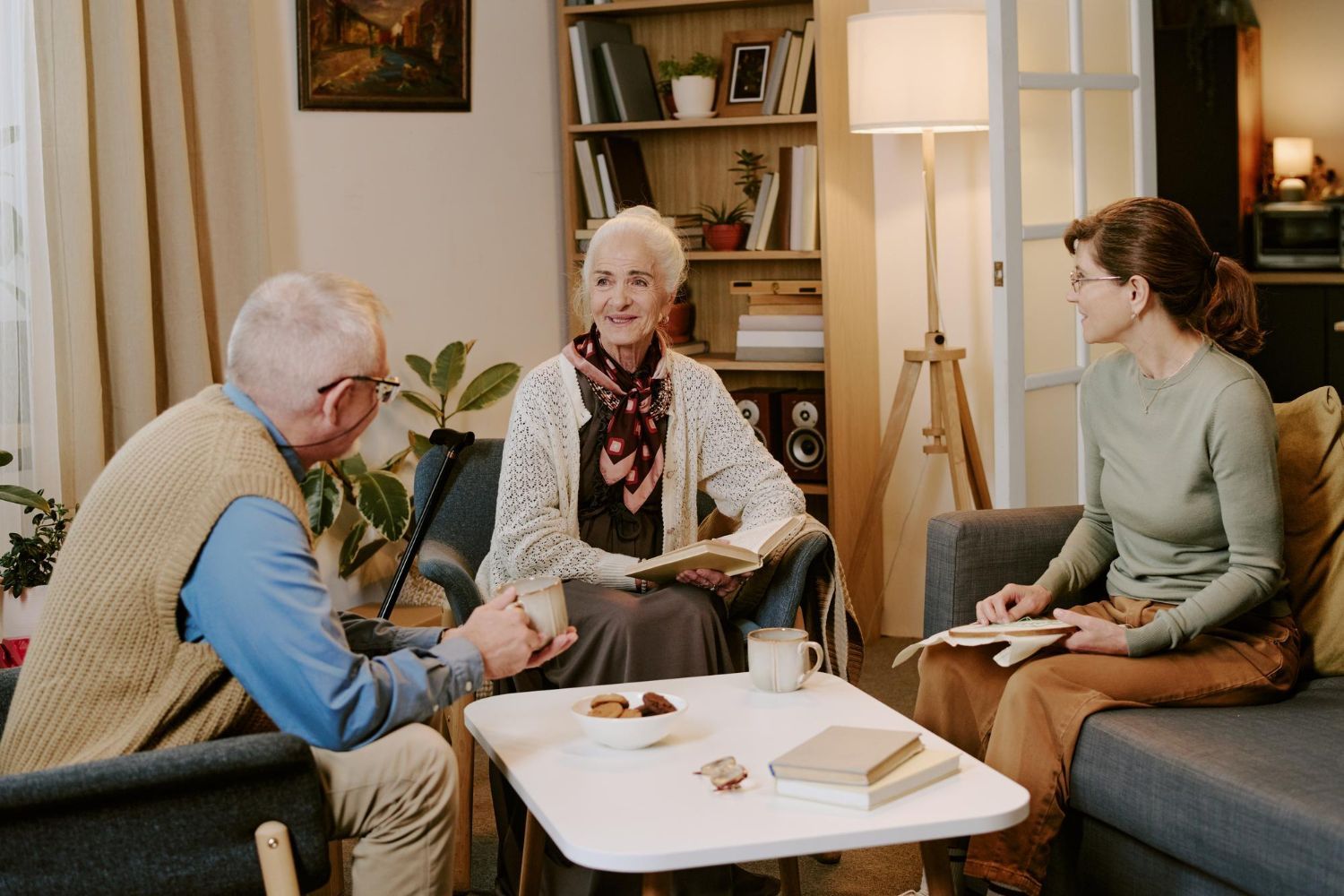
A routine can also include regular opportunities for interaction.
This could involve visiting family, attending a community activity, participating in a dementia day programme or simply spending time with familiar people.
Social connection can be an important part of emotional wellbeing.
Making routines person-centred
A dementia-friendly routine should be built around the person rather than imposed on them.
Family members and support workers can consider questions such as:
What activities does the person enjoy?
Including familiar hobbies and interests can make routines more meaningful.
What time of day does the person feel most comfortable?
Some people may have more energy in the morning, while others may prefer activities later in the day.
What tasks can they still do independently?
Identifying abilities rather than focusing only on limitations helps create opportunities for participation.
What situations cause confusion or distress?
Understanding these triggers can help carers make routines more comfortable.
What changes have recently occurred?
A person's needs may change over time, meaning routines may need to be adjusted.
Supporting daily activities without taking over
One of the challenges of dementia support is finding the right balance between assistance and independence.
It can be tempting to complete a task quickly when someone is struggling. However, doing everything for the person may gradually reduce opportunities for participation.
Instead, support can be adapted according to the person's abilities.
For example, rather than preparing an entire meal for someone, a support worker may encourage them to participate in simple steps that they can safely manage.
Similarly, a person may be able to choose their clothing even if they need assistance with dressing.
The level of support should reflect the person's needs and safety while respecting their preferences.
What families can do when routines change
Dementia is progressive for many people, meaning that abilities and support requirements may change over time.
A routine that worked well six months ago may no longer be suitable.
Families can review routines regularly and look for signs that adjustments may be needed.
These may include:
- Increased difficulty completing familiar activities.
- Changes in sleep patterns.
- Increased confusion at particular times.
- Reduced interest in activities.
- Changes in appetite.
- Increased frustration during certain tasks.
- Greater need for assistance with personal care.
Changes should be discussed with appropriate health or care professionals where necessary, particularly when there are significant or sudden changes in a person's condition.
How support services can help
Families may not always be able to provide all the assistance an older person needs.
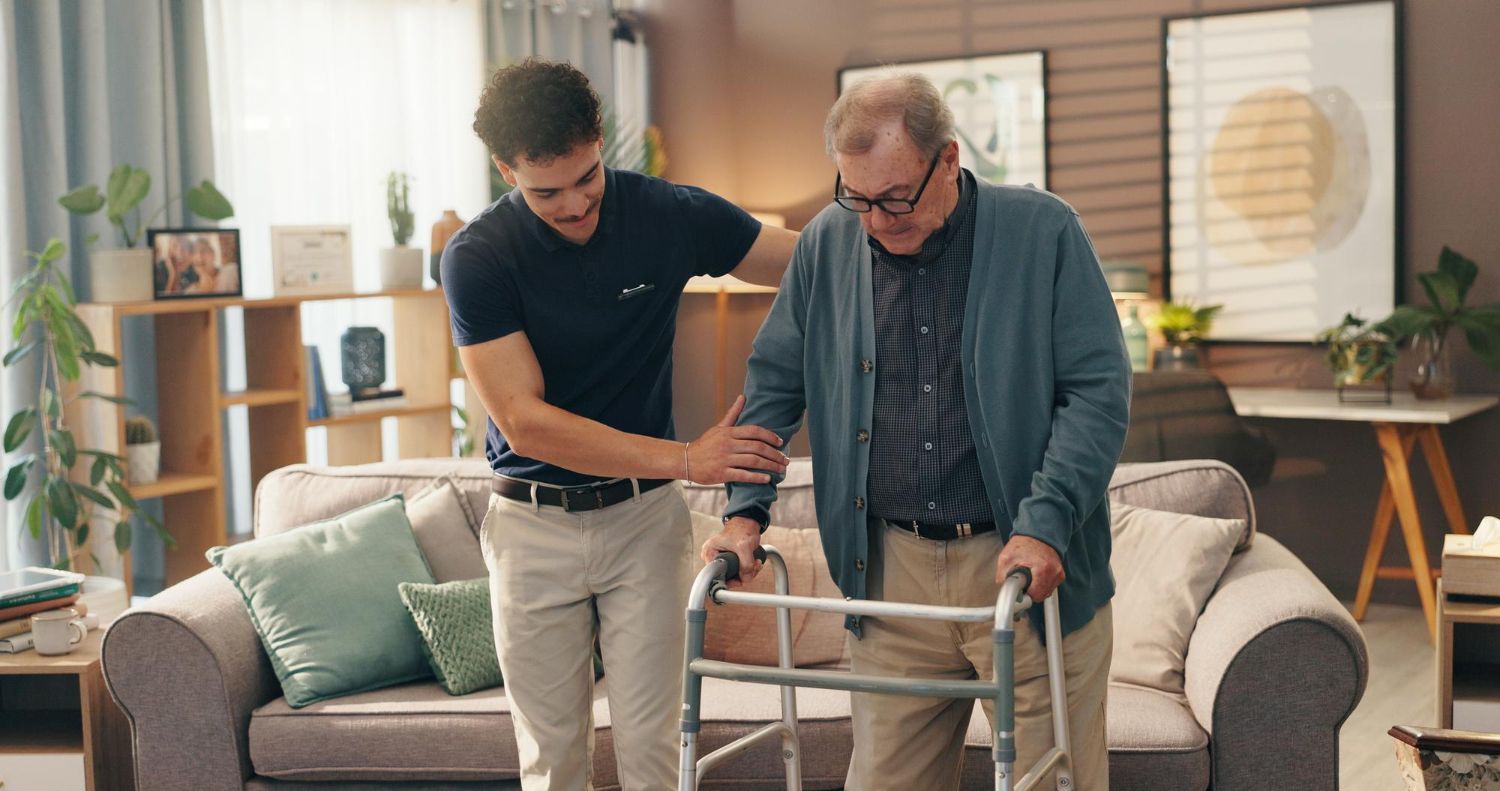
Professional support can help with everyday activities while also giving family carers additional time and flexibility.
Depending on the person's circumstances and available services, support may include assistance with personal care, household tasks, community participation, social activities and structured programmes.
The aim should be to support the person's quality of life while maintaining dignity and choice.
Supporting dementia wellbeing at Tarrays
Every person living with dementia has their own history, preferences and abilities. A supportive routine should reflect those individual differences.
Tarrays provides support for older Australians and people living with dementia, with services designed to promote wellbeing, connection and participation.
If you or your family are looking for dementia support in the Batemans Bay area, visit Tarrays to learn more about available services.
A familiar routine can provide more than structure. It can help an older person feel confident, connected and involved in everyday life.