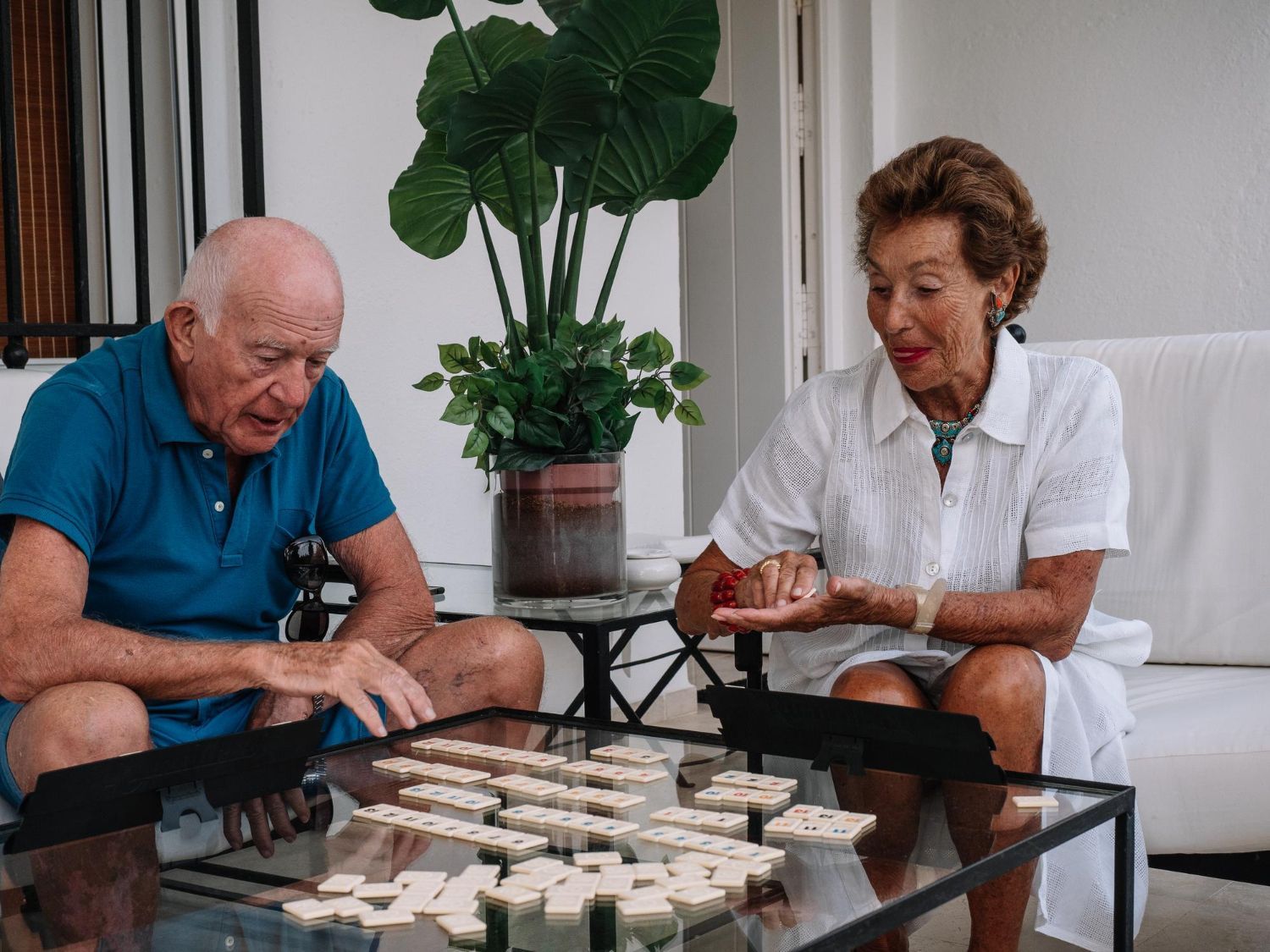

How families can support the wellbeing of older loved ones as care needs change
Care needs can change over time
Supporting an ageing parent, partner or family member can be deeply rewarding, but it can also become challenging as their needs change.
An older person who was once completely independent may gradually require assistance with household tasks, mobility, personal care, appointments or social activities.
These changes do not happen at the same pace for everyone.
Some people may need only occasional assistance, while others may require more structured support as their circumstances change.
For families, recognising these changes early can help them explore appropriate support options while keeping the older person's preferences and dignity at the centre of decisions.
Recognising when additional support may be needed
Changes in everyday behaviour and routines can sometimes indicate that an older person may benefit from additional assistance.
Families may notice:
- Household tasks are becoming difficult to manage.
- Meals are being skipped or prepared less frequently.
- Appointments are being missed.
- Personal care is becoming more challenging.
- The person is becoming less socially active.
- They are increasingly dependent on family members.
- Mobility has changed.
- They appear less confident managing everyday activities.
- Family members are finding care responsibilities increasingly difficult.
These signs should be considered in context. They do not necessarily mean that a person needs a specific care service.
If there are concerns about significant changes in health, cognition or physical ability, families should seek advice from an appropriate health professional.
Start the conversation early
Talking about care can sometimes be difficult.
An older person may worry that accepting support means losing their independence. Family members may also feel uncomfortable raising the subject.
A respectful conversation can make the process easier.
Instead of focusing only on what the person can no longer do, families can talk about what they would like to continue doing.
For example:
- Would you like help with shopping?
- Is there anything around the house that is becoming difficult?
- Would you like more opportunities to get out into the community?
- Would assistance with appointments make things easier?
- Are there activities you would like to continue doing?
This approach keeps the conversation focused on maintaining quality of life rather than simply responding to limitations.
Protecting dignity and choice
As care needs increase, families can sometimes become more involved in everyday decisions.
However, receiving support should not automatically mean losing control over personal choices.
Older people should be encouraged to participate in decisions about their routines and support wherever possible.
This can include choices around:
- Meals.
- Clothing.
- Daily routines.
- Activities.
- Personal care.
- Social visits.
- Community participation.
- Who provides support.
Even small decisions can help a person maintain a sense of control.
Supporting independence while providing assistance
One of the most important considerations in aged care is finding the right balance between assistance and independence.
If a family member can safely complete part of a task, they should have the opportunity to remain involved.
For example, an older person may need help with grocery shopping but still want to choose what food is purchased.
They may need assistance preparing a meal but still want to participate in the process.
They may need transport to a community activity but still want to choose which activities they attend.
Support should enable participation rather than unnecessarily replace it.
The role of social connection
Physical care is only one part of wellbeing.
Social connection can be equally important.
As people age, changes in mobility, health or living circumstances can sometimes reduce opportunities to interact with others.
Families can support social wellbeing by encouraging activities that reflect the person's interests.
This could include:
- Visiting friends and relatives.
- Attending community programmes.
- Participating in hobbies.
- Spending time outdoors.
- Joining local activities.
- Attending a dementia or aged care day programme where appropriate.
The activity itself is less important than whether it is meaningful to the individual.
When family support is no longer enough
Families often try to provide as much assistance as possible themselves.
However, care responsibilities can become difficult to manage alongside work, parenting and other commitments.
This does not mean that family members are failing.
It may simply mean that additional support is needed.
Professional aged care services can complement family involvement by assisting with everyday tasks and providing additional support where required.
This can allow family members to remain involved without having to carry every responsibility themselves.
Planning for changing needs
Care planning should not be viewed as a one-time decision.
An older person's circumstances can change.
Support may need to increase, decrease or change in type depending on their needs.
Families can periodically review:
- What the person is currently able to manage.
- Which activities have become difficult.
- Whether existing support is still appropriate.
- Whether social participation has changed.
- Whether family carers need additional assistance.
- Whether new professional support should be explored.
Regular conversations can help identify changes before they become major challenges.
Finding the right support provider
When families begin exploring aged care services, they should consider more than the list of services offered.
Important factors include whether the provider:
- Takes time to understand the individual.
- Respects the person's preferences.
- Communicates clearly with families where appropriate.
- Provides reliable support.
- Has staff who understand the needs of older people.
- Can adapt support as circumstances change.
The right provider should work alongside the individual and family rather than taking control of decisions that belong to the person receiving support.
Supporting older Australians with Tarrays
Ageing does not have to mean giving up the activities, relationships and routines that make life meaningful.
With appropriate support, older Australians can continue participating in everyday life while families receive additional assistance when care responsibilities become more demanding.
Tarrays supports older people and families with services focused on wellbeing, independence, connection and everyday support.
If you are looking for aged care support in the Batemans Bay area, visit Tarrays to explore the available services.
Good care is not about doing everything for someone. It is about providing the right support so they can continue living life on their own terms.